AI Unbundles Jobs, Reshaping Roles Rather Than Eliminating Them
Sonic Intelligence
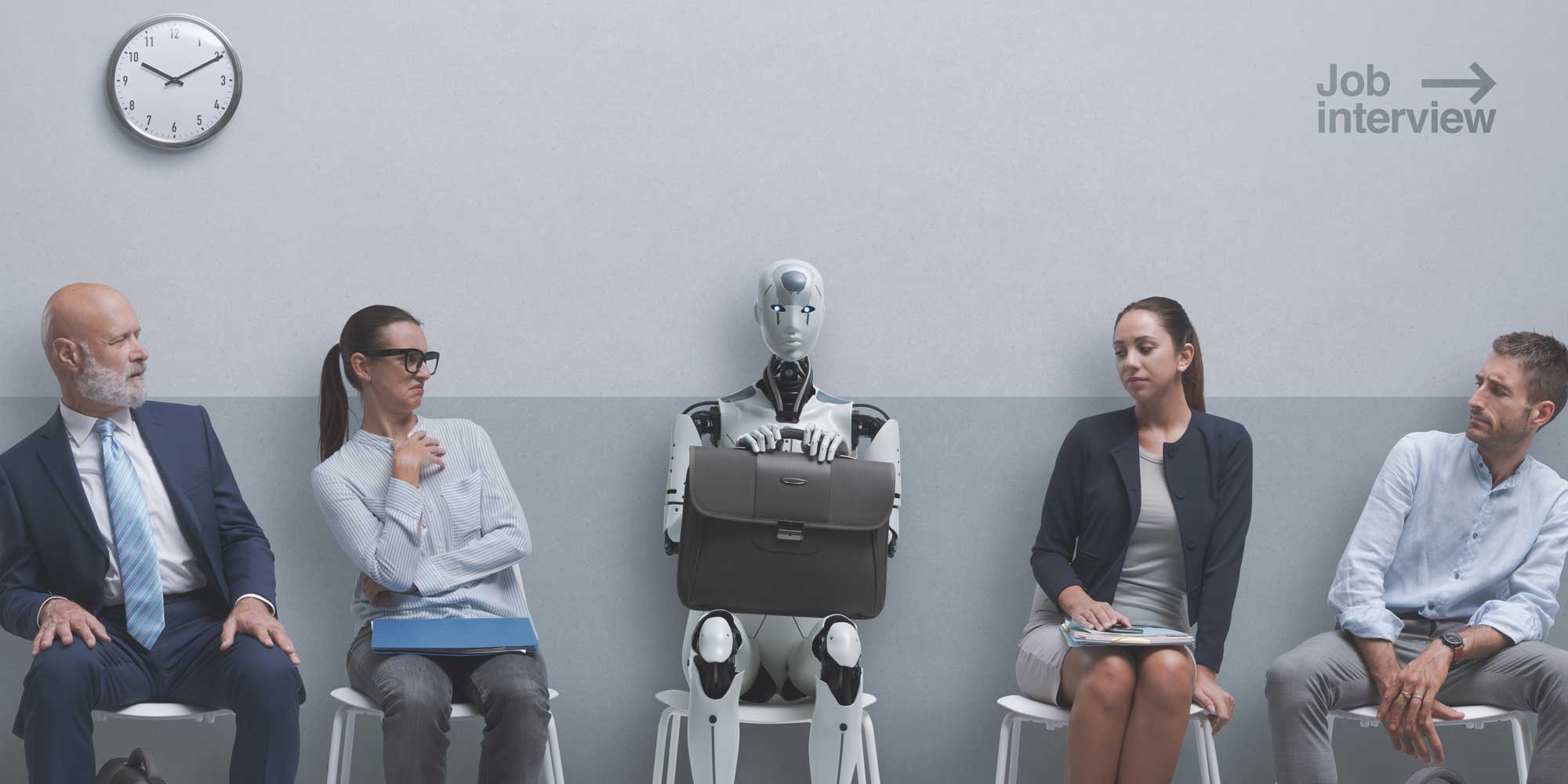
AI is unbundling jobs into narrower tasks, not eliminating them wholesale.
Explain Like I'm Five
"Imagine your job is like a big box of different toys. AI isn't throwing away the whole box. Instead, it's taking out some of the simpler toys and playing with them itself. You're left with the harder, more creative toys. Sometimes, this makes you super good at playing with the remaining toys, but other times, there aren't many toys left, and you don't get paid as much for playing with just a few."
Deep Intelligence Analysis
Authored by Luis Garicano, Jin Li, and Yanhui Wu, the paper introduces a crucial distinction between 'weak bundles' and 'strong bundles' of tasks. Weak bundles, common in roles like customer support or routine coding, are susceptible to AI automation, leading to a reduction in the scope of human work. While human efficiency in the remaining tasks may increase, the overall demand for such roles could diminish. Conversely, strong bundles, characterized by high judgment, contextual understanding, and responsibility (e.g., a radiologist interpreting edge cases), are less easily disaggregated. Here, AI serves as an augmentation tool, enhancing human performance within the existing job structure without removing the human element.
The long-term implications of this unbundling are profound. It suggests a bifurcation of the workforce: those in 'strong-bundle' roles may see their productivity and wages increase, while those in 'weak-bundle' roles could face a gradual erosion of their responsibilities and earning potential. This dynamic necessitates a re-evaluation of educational systems, workforce retraining programs, and social safety nets to address potential economic stratification. The challenge for policymakers and businesses will be to foster environments where AI augments human potential across all job types, ensuring that efficiency gains translate into broader societal benefits rather than concentrated economic advantage.
Impact Assessment
This research reframes the critical debate around AI's labor market impact, shifting focus from job elimination to job transformation and task re-allocation. Understanding 'unbundling' is crucial for policymakers and businesses to anticipate future workforce needs and mitigate economic displacement.
Key Details
- New research paper by Luis Garicano (LSE), Jin Li, and Yanhui Wu (University of Hong Kong).
- Paper argues AI 'unbundles' jobs into tasks, challenging wholesale job loss predictions.
- Introduces 'weak bundles' (tasks easily separable, narrowing human role) and 'strong bundles' (integrated tasks, AI enhances human role).
- Suggests human efficiency in 'leftover' tasks, post-AI automation, can reduce overall worker demand.
Optimistic Outlook
For 'strong-bundle' occupations requiring judgment and context, AI integration can lead to increased productivity and potentially higher wages for human workers. This perspective suggests AI can augment human capabilities, creating more specialized and valuable roles rather than simply replacing them.
Pessimistic Outlook
In 'weak-bundle' occupations, AI's ability to automate discrete tasks may lead to a hollowing out of human roles, leaving narrower, potentially lower-paid responsibilities. This could result in a workforce performing highly efficient but less complex tasks, leading to reduced overall demand for human labor in those sectors.
Get the next signal in your inbox.
One concise weekly briefing with direct source links, fast analysis, and no inbox clutter.
More reporting around this signal.
Related coverage selected to keep the thread going without dropping you into another card wall.