AI's Widening Divide: OpenAI's Spending Spree, Anthropic's Power Play, and the Infrastructure Race
Sonic Intelligence
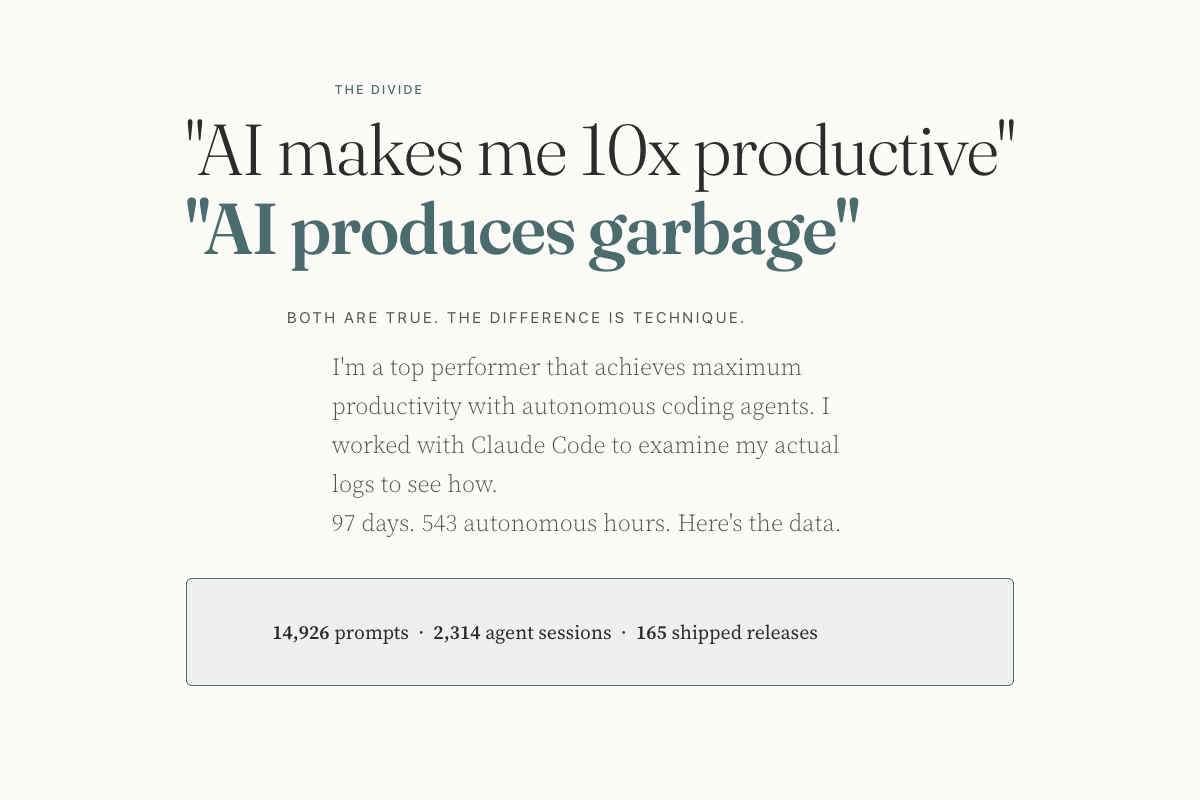
AI's rapid evolution creates a widening gap between industry insiders and the general public.
Explain Like I'm Five
"Imagine the smartest kids in school are building super-smart robots, and they're getting all the best toys and money to do it. The rest of us are trying to keep up, but they're moving so fast and getting so much help that it's hard to understand what they're even building or how it will change our world."
Deep Intelligence Analysis
The competitive landscape is characterized by significant capital deployment across multiple AI vectors. The $60 million investment by chipmakers AMD, Arm, and Qualcomm into Wayve highlights the ongoing race in autonomous vehicle technology, indicating a strategic push by hardware giants to secure positions in future mobility platforms. Simultaneously, the reported $50 billion agreement between Fluidstack and Anthropic for data center infrastructure reveals the immense computational demands and financial commitments required to scale frontier AI models. This infrastructure arms race, alongside the public unveiling of advanced models like Claude Code, illustrates the intense rivalry between OpenAI and Anthropic, particularly in enterprise applications and specialized domains, where performance and deployment capabilities are paramount.
The implications of this accelerated development and resource concentration are multifaceted. While "tokenmaxxing" and internal leaderboards might serve more for optics, the underlying investments in infrastructure and talent are shaping a future where AI's capabilities are increasingly integrated into every facet of business and society. The demonstration of powerful, unreleased models to regulators like the Federal Reserve Chair suggests a proactive engagement with governance, yet it also raises questions about transparency, access, and the potential for regulatory capture. The trajectory indicates a future dominated by a few highly capitalized entities, necessitating robust public discourse and policy frameworks to ensure equitable access and mitigate potential risks associated with such concentrated technological power.
Impact Assessment
The rapid pace of AI development, marked by significant investments and strategic acquisitions, is creating a knowledge and access disparity. This divide impacts market dynamics, regulatory oversight, and public perception, shaping the future competitive landscape of AI.
Key Details
- OpenAI is actively acquiring companies, from finance apps to talk shows.
- Anthropic reportedly secured a $50 billion agreement with data center startup Fluidstack.
- Chipmakers AMD, Arm, and Qualcomm collectively invested $60 million into UK self-driving startup Wayve.
- Uber's $300 million milestone bid is noted in the context of the autonomous vehicle competition.
- Anthropic demonstrated a powerful, unreleased model to Federal Reserve Chair Jerome Powell.
Optimistic Outlook
This intense investment and competition could accelerate AI innovation, leading to more powerful and diverse applications across various sectors. Strategic partnerships and infrastructure build-outs promise to democratize access to advanced computing resources, fostering new startups and technological breakthroughs.
Pessimistic Outlook
The widening gap between AI insiders and the public risks concentrating power and control in a few dominant entities. Unreleased, powerful models raise transparency concerns, potentially leading to regulatory challenges and public mistrust if not managed responsibly, exacerbating existing societal inequalities.
Get the next signal in your inbox.
One concise weekly briefing with direct source links, fast analysis, and no inbox clutter.
More reporting around this signal.
Related coverage selected to keep the thread going without dropping you into another card wall.