Celebrities Seek Trademarks to Guard Likeness from AI
Sonic Intelligence
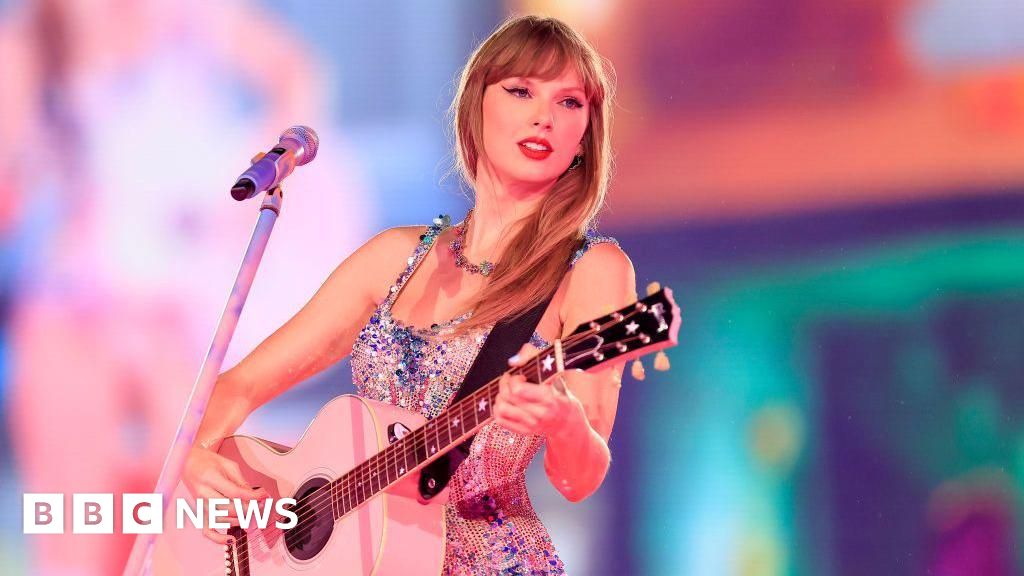
Celebrities are trademarking their likeness to combat AI misuse.
Explain Like I'm Five
"Famous people are trying to get special papers to own their faces and voices, so that smart computer programs (AI) can't use them without asking."
Deep Intelligence Analysis
This trend emerges as AI capabilities in content generation continue to advance at an unprecedented pace, making it increasingly difficult to distinguish between authentic and synthetic media. The legal strategy of trademarking aims to establish clear ownership and control over one's digital identity, providing a potential legal recourse against AI systems that might replicate or exploit these attributes without consent. This development is part of a broader societal and regulatory debate concerning the ethical boundaries of AI, the rights of individuals in the digital age, and the need for new legal instruments to govern AI's creative and commercial applications.
Looking forward, the success or failure of these trademark efforts will likely set important precedents for how intellectual property rights are defined and enforced in the AI era. It could either pave the way for more robust protections for individuals against AI exploitation or expose the limitations of current legal systems, necessitating the development of entirely new legislative frameworks. The outcome will have profound implications not only for celebrities but also for artists, public figures, and potentially even ordinary citizens as AI's capacity for digital replication becomes more widespread and accessible.
Impact Assessment
This trend signifies a proactive legal response to the emerging challenges of AI-generated content, particularly deepfakes and unauthorized commercial use of celebrity images. It highlights the growing tension between AI capabilities and intellectual property rights.
Key Details
- Celebrities are filing trademarks.
- The purpose is to protect their likeness.
- Protection is specifically against artificial intelligence misuse.
Optimistic Outlook
Successful trademarking could establish stronger legal precedents for individual control over digital identity, fostering a more ethical and regulated environment for AI content creation. It might encourage AI developers to prioritize consent and attribution.
Pessimistic Outlook
The effectiveness of trademarks against rapidly evolving AI technologies remains uncertain, potentially leading to prolonged legal battles. It could also create a complex legal landscape, stifling creative AI applications or disproportionately affecting smaller creators.
Get the next signal in your inbox.
One concise weekly briefing with direct source links, fast analysis, and no inbox clutter.
More reporting around this signal.
Related coverage selected to keep the thread going without dropping you into another card wall.