Taylor Swift Trademarks Voice and Image Amidst Surging AI Impersonation Threats
Sonic Intelligence
Taylor Swift trademarks her voice and image to combat AI deepfakes.
Explain Like I'm Five
"Imagine someone makes a robot that sounds exactly like your favorite singer, Taylor Swift, or looks just like her, and makes it say or do things she never did. Taylor is trying to put a special 'stamp' on her real voice and look so that if a robot tries to pretend to be her, she can say, 'Hey, that's my special stamp, and you're not allowed to use it!'"
Deep Intelligence Analysis
The specific details of Swift's applications — encompassing a distinctive stage image and precise audio clips — highlight a tactical approach to create strong, legally defensible anchors for her digital persona. By registering these specific elements, the intent is to create a broad protective umbrella, enabling legal action against any AI output that could mislead the public into believing it originates from Swift. This strategy directly addresses the proliferation of deepfakes, from malicious explicit content to politically motivated misinformation, which have increasingly targeted celebrities. The legal precedent set by successful enforcement of such trademarks could significantly influence how AI models are trained and deployed, particularly concerning the use of public figures' data.
Looking forward, this development signals a potential paradigm shift in intellectual property law, pushing for clearer definitions and stronger enforcement mechanisms for digital identity. It will likely spur other public figures to adopt similar protective measures, creating a more complex legal landscape for AI companies. The challenge will lie in balancing robust IP protection with the innovation potential of AI, ensuring that legal frameworks do not inadvertently stifle legitimate creative or research applications. Ultimately, the outcome of these early legal skirmishes will shape the future of digital rights, dictating the extent to which individuals can control their likeness and voice in an increasingly AI-permeated world.
Impact Assessment
This move by a prominent figure like Taylor Swift signifies a critical shift in how public personalities are proactively defending their intellectual property against generative AI. It establishes a legal precedent for using trademark law to combat sophisticated impersonation, potentially influencing future AI regulation and celebrity rights.
Key Details
- Taylor Swift filed three trademark applications in the US.
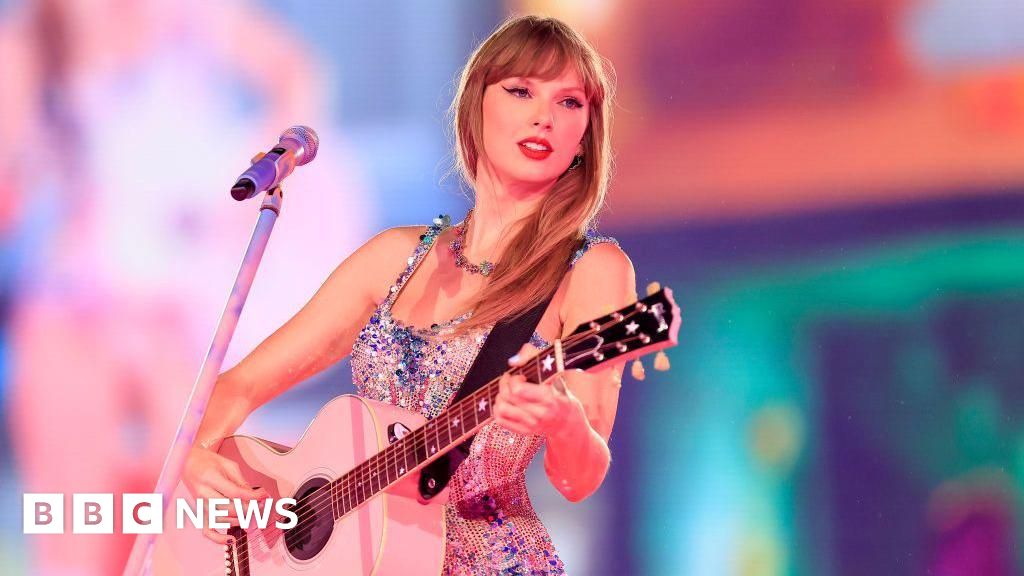
- Applications cover a specific stage photo and two audio clips ('Hey, it's Taylor' and 'Hey, it's Taylor Swift').
- The photo depicts her in an iridescent bodysuit with a pink guitar, used for Eras Tour promotion.
- Trademark lawyer Josh Gerben stated this could challenge 'confusingly similar' AI imitations.
- Matthew McConaughey previously trademarked his voice and image for similar AI protection.
Optimistic Outlook
The proactive trademarking by high-profile individuals could accelerate the development of robust legal frameworks for digital identity protection. This could empower creators to control their likeness and voice, fostering a more secure digital environment for artistic expression and personal brand management against unauthorized AI exploitation.
Pessimistic Outlook
Despite legal efforts, the rapid advancement of AI deepfake technology may outpace enforcement capabilities, leading to ongoing challenges in proving 'confusingly similar' infringement. This could result in prolonged legal battles, high costs for creators, and a chilling effect on digital innovation if IP protection becomes overly broad or difficult to navigate.
Get the next signal in your inbox.
One concise weekly briefing with direct source links, fast analysis, and no inbox clutter.
More reporting around this signal.
Related coverage selected to keep the thread going without dropping you into another card wall.