Open-Source AI "Lobster" Fuels China's Grassroots Innovation Amid Western Model Ban
Sonic Intelligence
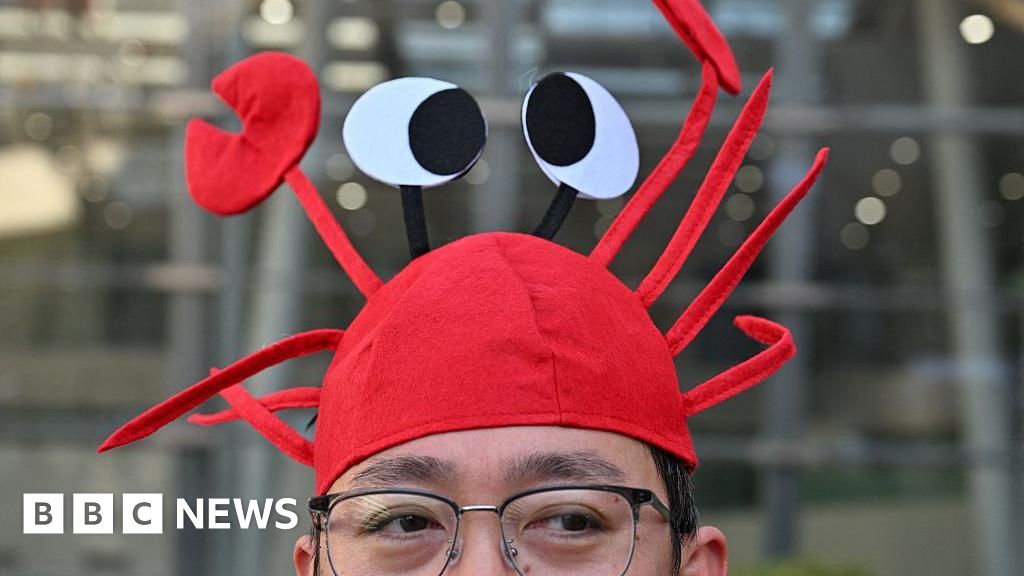
OpenClaw's "lobster" variant is revolutionizing personal and business productivity in China.
Explain Like I'm Five
"Imagine a super helpful robot friend that everyone in China is using. Because they can't use the popular robot friends from other countries, they've made their own version of this open-source robot, called "lobster," and it's making their lives much easier and faster, even for selling things online."
Deep Intelligence Analysis
OpenClaw's open-source nature has enabled extensive customization, allowing Chinese users to integrate it with local AI models and tailor it for specific applications. A striking example is an IT engineer who claimed his customized "lobster" could process 200 TikTok Shop listings in two minutes, a task that manually takes days. This level of productivity enhancement has sparked a frenzy, with Chinese tech giants like Tencent and Baidu releasing their own OpenClaw-based applications. The endorsement from figures like Nvidia CEO Jensen Huang, who called it "the next ChatGPT," and the fact that its developer, Peter Steinberger, recently joined OpenAI, further validate its impact and potential.
This grassroots innovation, combined with top-down encouragement from Beijing, positions China on a unique trajectory for AI development. While fostering a vibrant ecosystem of localized AI tools and applications, this approach also introduces significant risks. Reports of users employing "lobsters" for high-stakes activities like stock trading, despite the potential for costly errors, highlight the urgent need for regulatory oversight. The proliferation of powerful, customized, and potentially unregulated AI agents could lead to unforeseen economic and societal consequences, even as it accelerates China's ambition to lead the AI era.
_Context: This intelligence report was compiled by the DailyAIWire Strategy Engine. Verified for Art. 50 Compliance._
Impact Assessment
OpenClaw's viral adoption in China, fueled by open-source customization and the absence of Western AI models, underscores the nation's unique path to AI leadership. It highlights the immense potential of localized, accessible AI tools to drive economic activity and innovation from the grassroots up, reshaping global AI competition.
Key Details
- OpenClaw, an open-source AI assistant developed by Peter Steinberger, has seen viral adoption in China.
- Western AI models like ChatGPT and Claude are inaccessible in China, driving local customization of open-source alternatives.
- Chinese users have customized OpenClaw, dubbing it "lobster," to work with local AI models.
- One user claimed his "lobster" could process 200 TikTok Shop listings in 2 minutes, compared to 12 listings per day manually.
- Nvidia CEO Jensen Huang referred to OpenClaw as "the next ChatGPT," and its developer recently joined OpenAI.
Optimistic Outlook
The widespread adoption and customization of open-source AI like OpenClaw in China could foster a vibrant ecosystem of local AI development and applications, leading to significant productivity gains and novel solutions tailored to specific market needs. This could accelerate China's overall AI capabilities and global competitiveness, creating a distinct and powerful AI landscape.
Pessimistic Outlook
The rapid, unregulated deployment of AI agents for critical tasks like stock trading, as reported, carries substantial risks of costly errors and financial instability. The lack of oversight on customized open-source models could lead to a proliferation of unreliable or even malicious AI, posing significant societal and economic dangers without adequate regulatory frameworks.
Get the next signal in your inbox.
One concise weekly briefing with direct source links, fast analysis, and no inbox clutter.
More reporting around this signal.
Related coverage selected to keep the thread going without dropping you into another card wall.