DHS AI Surveillance Ambitions Exposed Through Hacked Data
Sonic Intelligence
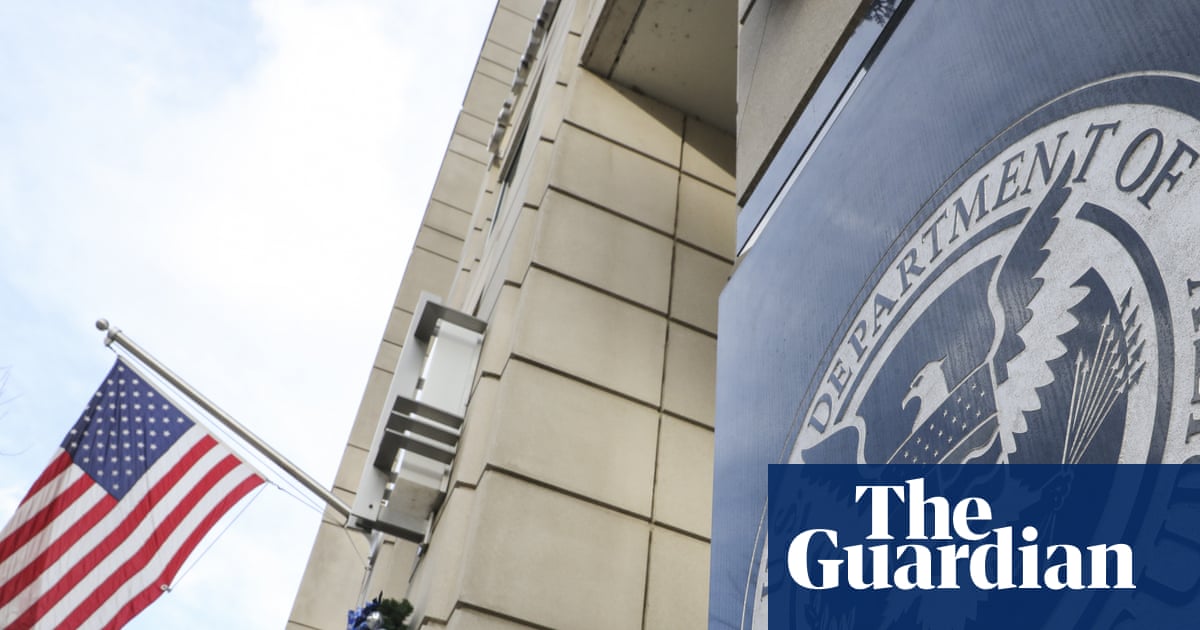
Hacked data reveals the Department of Homeland Security's AI-driven surveillance projects, including biometric scanning and predictive policing.
Explain Like I'm Five
"Imagine the government using computers to watch everyone, even using phones to scan faces. This leak shows they're working on that, which makes some people worried about privacy."
Deep Intelligence Analysis
The exposure of these projects raises critical questions about the balance between security and privacy. The DHS's substantial funding boost, coupled with the agency's history of controversial data gathering practices, amplifies these concerns. The lack of transparency surrounding these AI surveillance initiatives makes it difficult to assess their potential impact on civil liberties and individual rights. The ethical implications of using AI to predict crime and monitor citizens require careful consideration and robust oversight mechanisms.
Moving forward, it is essential to establish clear guidelines and regulations for the development and deployment of AI surveillance technologies. Transparency and accountability are crucial to ensure that these tools are used responsibly and ethically. Public discourse and engagement are necessary to address the societal implications of AI surveillance and to safeguard fundamental rights in the face of rapidly advancing technology. The EU AI Act Article 50 requires transparency in AI systems used by law enforcement and government agencies. This includes providing clear explanations of how the AI works, what data it uses, and how decisions are made. This transparency is crucial for building public trust and ensuring accountability.
Impact Assessment
The leak exposes the extent of DHS's AI surveillance ambitions and raises concerns about privacy and potential misuse of technology. It highlights the growing role of private companies in developing surveillance tools for government agencies.
Key Details
- The DHS's Office of Industry Partnership (OIP) funds AI surveillance projects.
- Projects include automated airport surveillance and biometric scanning via phones.
- An AI platform ingests national 911 call data to predict incident trends.
- The DHS received a $165 billion funding boost last year.
Optimistic Outlook
Increased transparency could lead to more responsible development and deployment of AI surveillance technologies. Public scrutiny may encourage the DHS to prioritize privacy and civil liberties in its AI initiatives.
Pessimistic Outlook
The revealed projects could normalize and expand AI-driven surveillance, potentially infringing on individual rights. The lack of oversight and regulation in this area poses a significant risk to privacy and freedom.
Get the next signal in your inbox.
One concise weekly briefing with direct source links, fast analysis, and no inbox clutter.
More reporting around this signal.
Related coverage selected to keep the thread going without dropping you into another card wall.