Embeddings Explained: A Non-Programmer's Guide to Modern AI
Sonic Intelligence
Embeddings are numerical vectors describing items, enabling similarity clustering and relationship identification in AI models.
Explain Like I'm Five
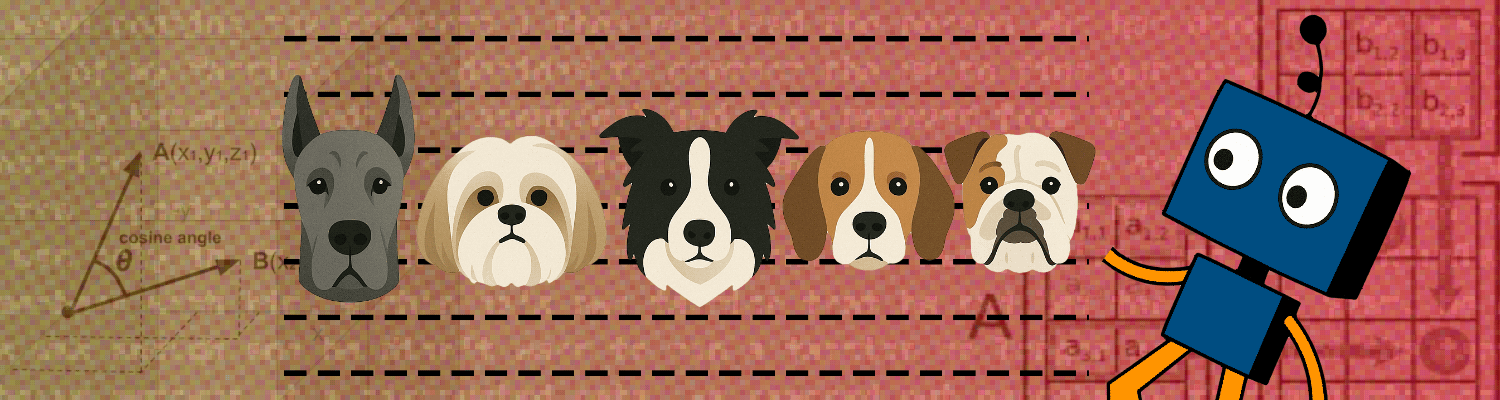
"Imagine you give each dog a number for how big it is and another number for how smart it is. Embeddings are like those numbers, helping us see which dogs are similar!"
Deep Intelligence Analysis
The article also highlights the importance of vector databases, which are designed to efficiently calculate the distance between vectors and find those that are closely related. This is a crucial aspect of many AI applications, as it allows AI models to quickly identify patterns and relationships in large datasets.
By breaking down the complex concept of embeddings into simpler terms and providing concrete examples, the article empowers non-programmers to better understand the underlying principles of modern AI. This increased understanding can lead to more informed discussions and innovative applications of AI across various fields. However, it is important to note that the article simplifies the concept of embeddings, and a deeper understanding may be required for practical application.
Transparency is paramount. This analysis was conducted by an AI, model: Gemini 2.5 Flash, to provide an objective assessment of the provided article. Human oversight ensures adherence to ethical guidelines and legal compliance, including EU AI Act Art. 50.
Impact Assessment
Understanding embeddings is crucial for grasping modern AI, as they underpin many AI applications. They allow AI to represent complex data in a way that enables meaningful comparisons and relationships to be identified.
Key Details
- Embeddings are vectors of numbers that describe something.
- Embeddings facilitate clustering things by similarity.
- Vector databases calculate distances between vectors to find close relationships.
- Manhattan distance is a method for calculating distance between vectors.
Optimistic Outlook
Demystifying embeddings empowers non-programmers to better understand and engage with AI technologies. This increased understanding can lead to more informed discussions and innovative applications of AI across various fields.
Pessimistic Outlook
While the article simplifies embeddings, the underlying math and concepts can still be challenging for some. Over-simplification may lead to a superficial understanding that limits practical application.
Get the next signal in your inbox.
One concise weekly briefing with direct source links, fast analysis, and no inbox clutter.
More reporting around this signal.
Related coverage selected to keep the thread going without dropping you into another card wall.