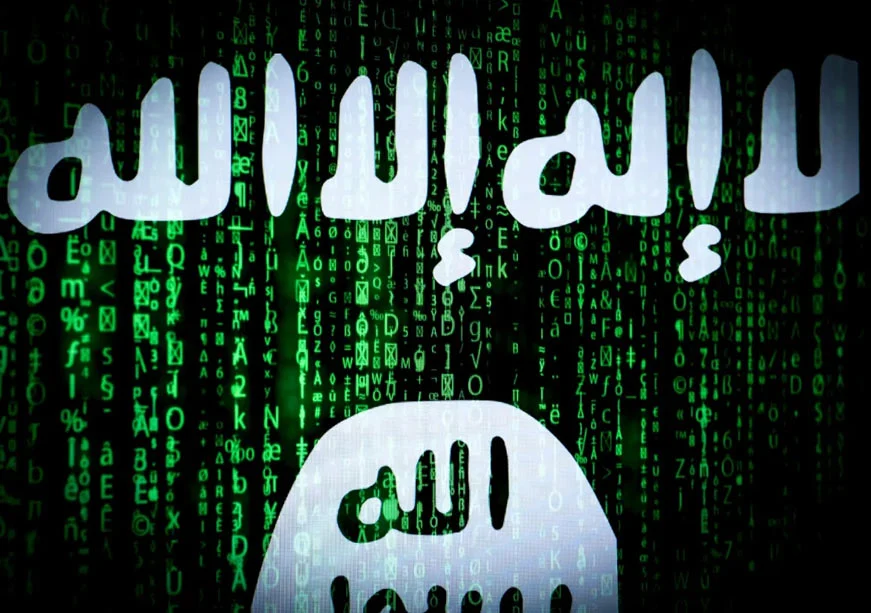
ISIS-K Leverages AI Chatbots for Propaganda and Recruitment
Sonic Intelligence
ISIS-K is actively encouraging recruits to use AI chatbots for propaganda and research.
Explain Like I'm Five
"Bad guys called ISIS-K are telling their new helpers to use smart computer programs, like the ones that talk to you, to make their messages sound better and get more people to join them. This makes it easier for them to spread their ideas, and it's a new problem for people trying to keep us safe."
Deep Intelligence Analysis
This development signals a notable ideological shift within ISIS-K, which previously exhibited skepticism towards emerging technologies. Experts now observe a clear endorsement of AI, reflecting a strategic adaptation to leverage modern tools for their extremist agenda. Jonathan Hall, a UK terrorism legislation reviewer, warns that the integration of AI will drastically lower the barrier for producing sophisticated propaganda. This capability could enable the rapid proliferation of highly tailored messages across multiple languages, significantly enhancing the group's reach and effectiveness in radicalization and recruitment efforts. The potential for AI to generate persuasive, context-aware content poses an unprecedented challenge to counter-terrorism agencies worldwide.
The broader context of ISIS's enduring global activity, as tracked by tools like the Islamic State Select Worldwide Activity Interactive Map from the Washington Institute for Near East Policy, underscores the persistent threat posed by the organization. Despite the loss of its territorial caliphate, ISIS remains a transnational entity with active 'provinces' and operations spanning vast regions from Africa to South Asia. The adoption of AI by ISIS-K suggests a new frontier in this ongoing struggle, where digital tools could amplify the group's influence and operational capabilities in ways previously unimaginable.
The implications for global security are profound. AI-enabled terrorism could lead to more efficient and personalized recruitment campaigns, making it harder for authorities to identify and disrupt radicalization pathways. The sheer volume and sophistication of AI-generated propaganda could overwhelm existing monitoring systems, blurring the lines between authentic and manipulated content. Furthermore, the potential for AI to assist in planning and executing attacks, even if currently limited to propaganda, represents a dangerous trajectory. Counter-terrorism strategies must rapidly adapt to this evolving threat, focusing on developing advanced AI detection capabilities, fostering international collaboration to share intelligence, and implementing robust digital literacy programs to inoculate populations against AI-driven extremist narratives. The integration of AI into terrorist methodologies necessitates an urgent re-evaluation of current security paradigms and a proactive approach to mitigate these emerging risks.
Impact Assessment
This signifies a dangerous evolution in terrorist tactics, where AI can amplify propaganda, recruitment, and potentially operational planning. It lowers the barrier for sophisticated messaging, posing new challenges for counter-terrorism efforts and global security.
Key Details
- ISIS-K, the Afghanistan branch of ISIS, now advises recruits to use AI tools and chatbots.
- Their English-language magazine, Voice of Khorasan, provides guidance on 'responsible' AI use.
- UK terrorism reviewer Jonathan Hall warns AI will lower the barrier to producing sophisticated, tailored propaganda.
- This reflects an ideological shift, with ISIS-K now endorsing AI after previous skepticism.
- The Washington Institute for Near East Policy tracks ISIS global activity, highlighting its transnational influence.
Optimistic Outlook
Increased awareness of this threat could spur the development of advanced AI detection tools to identify and counter extremist content more effectively. It might also lead to greater international cooperation in monitoring and disrupting AI-enabled terrorist activities.
Pessimistic Outlook
The proliferation of AI-generated propaganda could make it harder to distinguish authentic content from malicious fakes, increasing radicalization and recruitment. Tailored messaging in multiple languages could expand terrorist reach, overwhelming current counter-terrorism capabilities.
Get the next signal in your inbox.
One concise weekly briefing with direct source links, fast analysis, and no inbox clutter.
More reporting around this signal.
Related coverage selected to keep the thread going without dropping you into another card wall.