NVIDIA CEO Links Engineer Value to AI Token Consumption
Sonic Intelligence
Jensen Huang links engineer value to significant AI token consumption.
Explain Like I'm Five
"Imagine a wizard needs magic spells (AI tools) to do cool stuff. The magic energy (tokens) costs money. The boss (Jensen Huang) says if a super-smart wizard isn't using a lot of magic energy, they're not doing enough cool stuff. So, you need to spend magic to learn how to use it best, just like in a game."
Deep Intelligence Analysis
The NVIDIA CEO's assertion, made at GTC 2026, posits that a $500,000 engineer should consume at least $250,000 in tokens. This isn't merely a revenue projection for NVIDIA, but a strategic directive for the industry, implying that mastery of AI tools, much like "mana" in a game, requires substantial practice and resource allocation. The analogy to Diablo's mana system emphasizes that effective "spell casting" with AI tools demands hands-on engagement and an understanding of underlying abstractions, rather than superficial usage. This highlights a critical skill gap: engineers must not only use AI but deeply comprehend its outputs to discern robust solutions from fragile ones.
The long-term implication is a bifurcation in engineering capabilities and resource allocation. Companies that embrace and strategically manage high token consumption will likely gain a significant edge in innovation and speed. Conversely, those hesitant to invest in both the compute and the upskilling required to effectively leverage these tokens risk falling behind. This shift also necessitates a re-evaluation of engineering education, prioritizing critical thinking and foundational coding skills to ensure AI-generated solutions are not just accepted but rigorously validated. The future engineer's value will increasingly be measured by their ability to orchestrate complex AI workflows and extract maximum utility from expensive computational resources.
Impact Assessment
This perspective from a key industry leader highlights the escalating operational costs and the strategic imperative for companies to integrate AI token consumption into their engineering workflows, shifting the definition of developer productivity.
Key Details
- Jensen Huang (NVIDIA CEO) stated a $500,000 engineer should consume at least $250,000 worth of AI tokens.
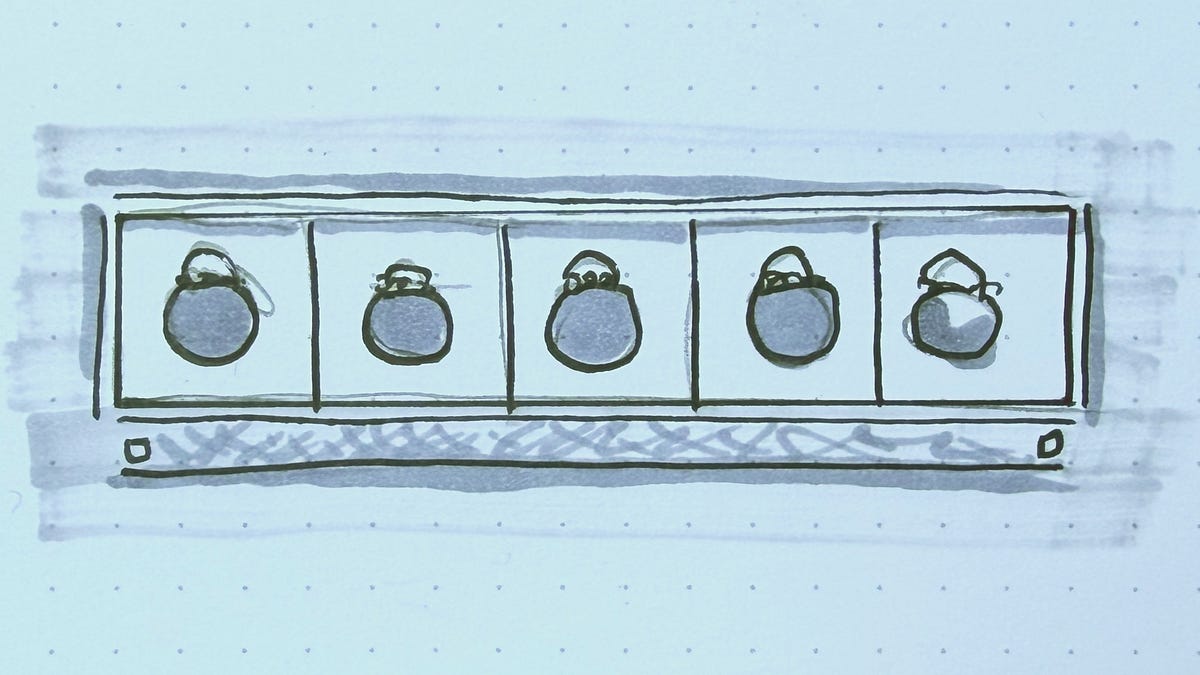
- The article draws an analogy between AI tokens and 'mana' from the 1996 game Diablo.
- It suggests learning to code remains crucial for evaluating AI tool output quality.
Optimistic Outlook
Increased token consumption could signify deeper AI integration, leading to accelerated development cycles and innovative solutions, ultimately boosting engineering output and competitive advantage.
Pessimistic Outlook
The high cost of token consumption could create a barrier for smaller companies, exacerbate resource disparities, and potentially lead to inefficient 'token burning' without genuine productivity gains if not managed strategically.
Get the next signal in your inbox.
One concise weekly briefing with direct source links, fast analysis, and no inbox clutter.
More reporting around this signal.
Related coverage selected to keep the thread going without dropping you into another card wall.