Offshore Wind Powers Submerged Data Centers: A New Frontier for AI Infrastructure
Sonic Intelligence
A startup plans to submerge AI data centers powered by offshore wind, addressing energy and cooling challenges.
Explain Like I'm Five
"Imagine big computers that need a lot of electricity and get very hot. Instead of putting them on land, a company wants to put them under the ocean, next to giant windmills that make power. The cold ocean water helps cool the computers, and the windmills give them all the clean energy they need, far away from people's backyards."
Deep Intelligence Analysis
Should the pilot prove successful, Aikido envisions a larger-scale deployment off the UK coast by 2028. This future model would feature a substantial 15 to 18 megawatt turbine, designed to power a 10 to 12 megawatt data center. This strategy aims to address several critical challenges facing traditional data centers, including the increasing strain on power grids and the need for efficient cooling mechanisms. By situating data centers offshore, they gain immediate proximity to a consistent power supply from wind turbines. Furthermore, the cold surrounding seawater offers a natural and highly effective cooling solution, a significant advantage over conventional air or liquid cooling systems.
Beyond technical benefits, offshore data centers could also mitigate 'Not In My Backyard' (NIMBY) opposition, as they would be located far from residential areas, reducing concerns about noise and visual pollution. However, the marine environment introduces its own set of complexities. The ocean is inherently harsh, requiring robust, corrosion-resistant materials for all equipment, including the data center container and its power and data connections. While submerged, the units would still experience movement, necessitating secure internal components.
This concept is not entirely new; Microsoft previously explored submerged data centers, conducting a modestly successful experiment off Scotland in 2018 where only six out of over 850 servers failed during a 25-month trial. Microsoft even open-sourced its patents in 2021 but ultimately discontinued the project by 2024. Aikido's initiative represents a renewed effort to overcome these challenges, potentially charting a new course for sustainable and scalable AI infrastructure.
Impact Assessment
As AI's energy demands skyrocket, innovative solutions for data center power and cooling are critical. Offshore submerged data centers could offer a sustainable, scalable alternative, mitigating environmental impact and land-use conflicts associated with traditional facilities.
Key Details
- Offshore wind developer Aikido plans to deploy a 100-kilowatt demonstration data center off Norway this year.
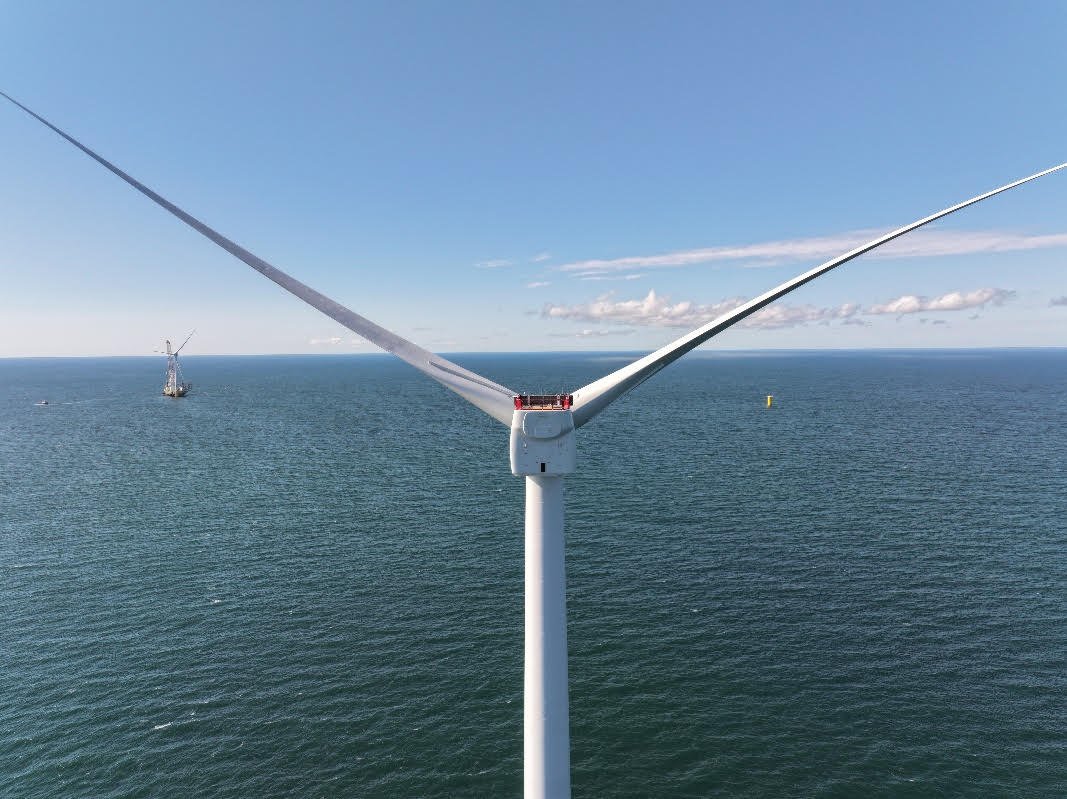
- The small data center unit will be housed within the submerged pods of a floating offshore wind turbine.
- Aikido aims for a larger version off the UK coast by 2028, featuring a 15-18 megawatt turbine powering a 10-12 megawatt data center.
- Submerged data centers offer benefits like proximity to consistent power, natural cooling from seawater, and reduced NIMBY concerns.
- Microsoft previously experimented with a submerged data center off Scotland in 2018, with only 6 out of 850 servers failing in 25 months, but deep-sixed the project by 2024 after open-sourcing patents.
Optimistic Outlook
This approach could revolutionize data center deployment, providing a clean, consistent power source and efficient natural cooling. Successful implementation could unlock vast offshore energy potential for AI, reducing carbon footprints and enabling data processing closer to renewable energy generation.
Pessimistic Outlook
The harsh marine environment presents significant engineering and maintenance challenges, including corrosion and the need for robust, sealed infrastructure. Despite potential benefits, the high costs and technical complexities of deep-sea deployment could limit widespread adoption, as evidenced by Microsoft's prior project discontinuation.
Get the next signal in your inbox.
One concise weekly briefing with direct source links, fast analysis, and no inbox clutter.
More reporting around this signal.
Related coverage selected to keep the thread going without dropping you into another card wall.