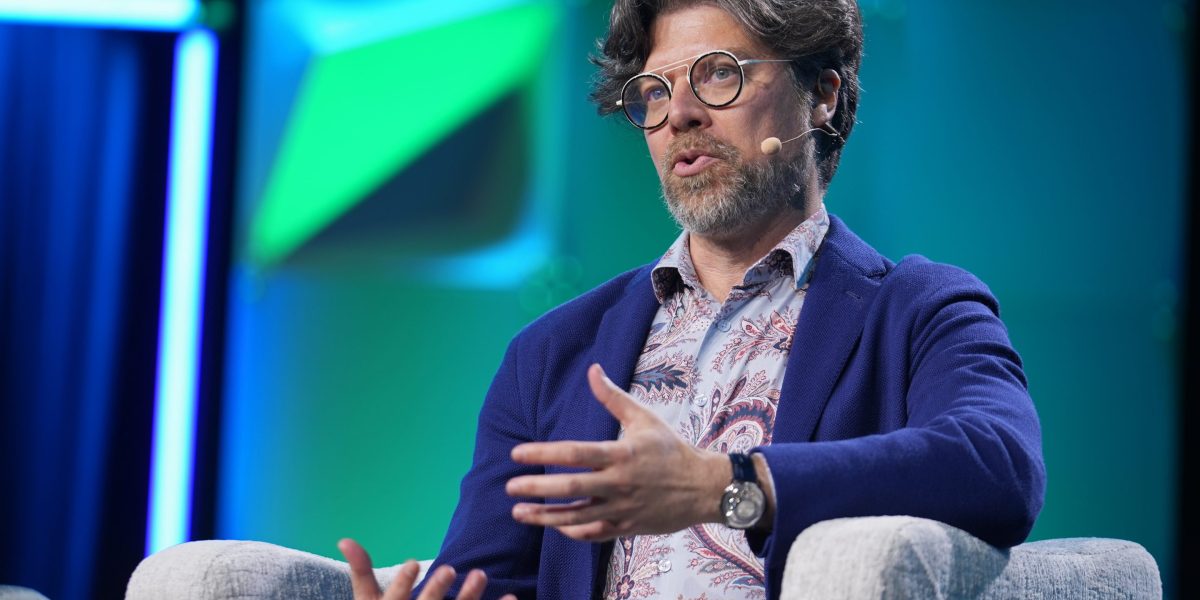
OpenAI Shifts Focus as Sora Lead and Science VP Depart
Sonic Intelligence
OpenAI is re-prioritizing, leading to key leadership departures and project consolidation.
Explain Like I'm Five
"Imagine a toy company that makes many different toys. They decide to stop making a super cool video game toy (Sora) and a science kit toy (Prism) because they want to focus all their energy on making the best building blocks for big companies. So, the people who made the video game and science kit toys leave, and the company gets very serious about just building blocks."
Deep Intelligence Analysis
The internal restructuring reflects a calculated decision to streamline operations and concentrate efforts on areas perceived to have the most immediate market impact. Bill Peebles' departure, following the reported abandonment of Sora, highlights the intensity of this re-prioritization. Similarly, Kevin Weil's group, responsible for AI for Science and the Prism initiative, is being absorbed into other research teams, with Prism's capabilities slated for integration into the Codex desktop application. This move indicates a desire to embed advanced AI functionalities directly into developer tools, aligning with the stated focus on coding and enterprise use cases. The strategic implication is clear: OpenAI aims to solidify its position as a dominant provider of foundational AI infrastructure for businesses and developers, rather than pursuing a diverse portfolio of consumer-facing or purely speculative research projects.
The forward-looking implications of this strategic shift are multifaceted. While a focused approach could lead to accelerated development and deployment of robust enterprise-grade AI, potentially cementing OpenAI's market leadership in specific verticals, it also carries inherent risks. The "cultivating entropy" philosophy, as articulated by Peebles, suggests that diverse, "off-the-beaten-path" research is crucial for long-term innovation. By narrowing its scope, OpenAI risks reducing its capacity for serendipitous breakthroughs and disruptive innovations that might emerge from less commercially driven exploration. Competitors, particularly those with broader research mandates or different funding models, may capitalize on this strategic void, potentially challenging OpenAI's long-term dominance in foundational AI advancements.
Visual Intelligence
flowchart LR
    OldStrategy["Broad Research"] --> Sora["Sora Video"]
    OldStrategy --> Prism["Prism Science"]
    Sora --> PeeblesDepart["Peebles Departs"]
    Prism --> WeilDepart["Weil Departs"]
    NewStrategy["Focused Strategy"]
    PeeblesDepart --> NewStrategy
    WeilDepart --> NewStrategy
    NewStrategy --> Enterprise["Enterprise Focus"]
    NewStrategy --> Coding["Coding Focus"]
    Prism --> Codex["Codex Integration"]
Auto-generated diagram · AI-interpreted flow
Impact Assessment
These high-profile departures and project consolidations signal a significant strategic realignment within OpenAI. The move away from "side quests" like Sora and Prism towards core coding and enterprise solutions indicates a sharpened commercial focus, potentially impacting future innovation trajectories and competitive dynamics in the AI sector.
Key Details
- ● Bill Peebles, former head of the Sora video generation team, has departed OpenAI.
- ● Kevin Weil, VP of AI for Science and former Chief Product Officer, is also leaving.
- ● OpenAI is shifting priorities to focus more on coding and enterprise applications.
- ● The "AI for Science" group is being decentralized into other research teams.
- ● OpenAI's research-focused "Prism" workspace is being sunsetted, with capabilities folded into the Codex desktop app.
Optimistic Outlook
A more focused OpenAI, concentrating resources on enterprise and coding, could accelerate the development of robust, commercially viable AI solutions, driving significant market adoption and revenue growth. Streamlining research efforts might also lead to more impactful breakthroughs in targeted areas, enhancing the company's competitive edge.
Pessimistic Outlook
The abandonment of projects like Sora and Prism, and the departure of key talent, could stifle long-term exploratory research and reduce OpenAI's capacity for groundbreaking, "off-the-beaten-path" innovations. This intense commercial focus might lead to a more conservative research agenda, potentially ceding future disruptive advancements to competitors.
Get the next signal in your inbox.
One concise weekly briefing with direct source links, fast analysis, and no inbox clutter.
More reporting around this signal.
Related coverage selected to keep the thread going without dropping you into another card wall.