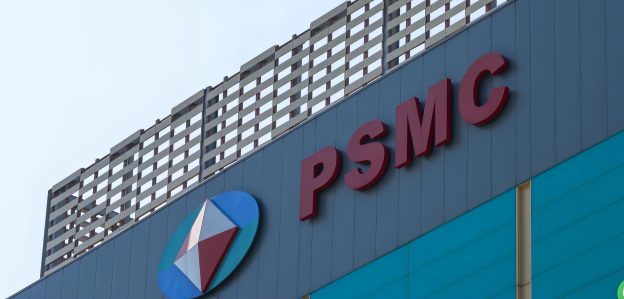
Taiwan's PSMC Joins Intel and SoftBank in AI Memory Initiative
Sonic Intelligence
PSMC partners with Intel and SoftBank to develop Z-Angle Memory (ZAM), an alternative to HBM for AI applications.
Explain Like I'm Five
"Imagine building blocks for computers. These companies are teaming up to make new, super-fast blocks that use less power, so computers can think even faster!"
Deep Intelligence Analysis
The partnership is targeting prototype development by 2027 and commercial mass production by 2029. Early reports suggest ZAM could reduce power consumption by 40-50% and offer up to 512 GB per chip. This initiative could help establish an alternative memory roadmap beyond HBM and reduce dependence on existing supply chains.
However, the project faces challenges. Meeting the 2029 mass production target will require significant technological advancements and overcoming potential manufacturing hurdles. The established market position of Samsung, SK hynix, and Micron in the HBM market presents a barrier to ZAM's adoption. Despite these challenges, the collaboration represents a significant effort to innovate in the AI memory space and potentially reshape the industry landscape. The success of ZAM could lead to more efficient and powerful AI systems, benefiting various applications and industries.
Impact Assessment
This collaboration could challenge the dominance of Samsung, SK hynix, and Micron in the AI memory market. It also aims to establish an alternative memory roadmap beyond HBM, reducing dependence on existing supply chains.
Key Details
- The partnership aims to complete prototype development of ZAM by 2027.
- Commercial mass production of ZAM is targeted for 2029.
- ZAM could cut power consumption by 40-50% compared to HBM.
- ZAM aims to pack up to 512 GB per chip.
Optimistic Outlook
The ZAM initiative could lead to more efficient and higher-capacity memory solutions for AI, fostering innovation and reducing power consumption. PSMC's involvement positions Taiwan as a key player in AI memory manufacturing.
Pessimistic Outlook
The project faces challenges in meeting the ambitious 2029 mass production target. The established dominance of existing HBM manufacturers could hinder ZAM's market adoption.
Get the next signal in your inbox.
One concise weekly briefing with direct source links, fast analysis, and no inbox clutter.
More reporting around this signal.
Related coverage selected to keep the thread going without dropping you into another card wall.