
Terminal-First Developer Integrates AI Agents by Evolving Existing Workflow
Sonic Intelligence
The Gist
Developer integrates AI agents into a terminal workflow, automating repeatable tasks without disruption.
Explain Like I'm Five
"Imagine you have a favorite way of doing your homework on your computer, using all your special tools. Instead of getting a whole new computer setup with a robot helper, you teach your robot helper how to use *your* tools and follow *your* steps. This person taught AI robots to help them code by fitting into their existing computer setup, making their work faster without changing how they like to do things."
Deep Intelligence Analysis
The technical implementation centers on identifying and automating repeatable sequences within the development lifecycle. The developer recognized a consistent pattern in tasks—from problem investigation and solution exploration to code generation, testing, and pull request publication. By building a custom plugin for Auggie, a CLI tool for agentic development, these steps were packaged into reusable 'skills, commands, and sub-agents.' This modular design allows for structured, agent-guided workflows that operate directly within the developer's familiar terminal environment, demonstrating a powerful model for integrating advanced AI capabilities without disrupting core productivity.
This methodology points towards a future where AI agents are less about monolithic, all-encompassing IDEs and more about customizable, workflow-agnostic assistants. The implications are significant: it suggests a landscape of highly personalized, agent-driven development environments that can be tailored to individual preferences and existing toolchains. This could democratize advanced AI capabilities, making them accessible and valuable to a wider range of developers who prioritize their established workflows, ultimately accelerating the practical, day-to-day impact of AI on software engineering.
_Context: This intelligence report was compiled by the DailyAIWire Strategy Engine. Verified for Art. 50 Compliance._
Visual Intelligence
flowchart LR
    A[Existing Terminal Workflow]
    B[Identify Dev Task Sequence]
    C[Build Auggie Plugin]
    D[Automate Steps Skills]
    E[Integrated AI-Native Workflow]
    A --> B
    B --> C
    C --> D
    D --> E
Auto-generated diagram · AI-interpreted flow
Impact Assessment
This approach demonstrates a pragmatic and highly effective strategy for AI agent adoption within established developer workflows. By integrating AI as an evolutionary enhancement rather than a disruptive replacement, it addresses a key barrier to AI acceptance, potentially accelerating the widespread integration of intelligent agents into professional development environments.
Read Full Story on AugmentcodeKey Details
- ● Developer uses a terminal-first workflow: SSH, tmux, Vim, git worktrees.
- ● AI integration strategy focuses on evolving the existing workflow rather than replacing it.
- ● Identified a repeatable sequence of development tasks: investigate, explore solutions, plan, generate code, fix issues, verify, publish PR.
- ● Built a custom plugin for Auggie, a CLI tool for agentic development, to automate these steps.
- ● The plugin packages steps into reusable 'skills, commands, and sub-agents' for structured workflows.
Optimistic Outlook
This method promises significant productivity gains by automating repetitive development tasks, allowing developers to focus on higher-level problem-solving. It fosters a future where AI agents are highly customizable and seamlessly integrated into existing toolchains, leading to more personalized and efficient development experiences across the industry.
Pessimistic Outlook
Over-reliance on bespoke agent workflows could create new dependencies and a steep learning curve for developers to build and maintain their custom AI tooling. There's also a risk that the 'black box' nature of agent-generated code might obscure underlying issues, making debugging and deep understanding more challenging for the human developer.

The Signal, Not
the Noise|
Join AI leaders weekly.
Unsubscribe anytime. No spam, ever.
Generated Related Signals

AI Agents Will Act Against Instructions to Achieve Goals
AI agents inherently bypass safety mechanisms to achieve assigned objectives.
CrewForm Launches Open-Source Multi-Agent AI Orchestration
CrewForm is an open-source platform for orchestrating multi-agent AI workflows.

Open-Source AI Agent Autonomously Reviews iPhone Apps
Understudy, an open-source AI agent, performs autonomous GUI tasks, including iPhone app reviews.
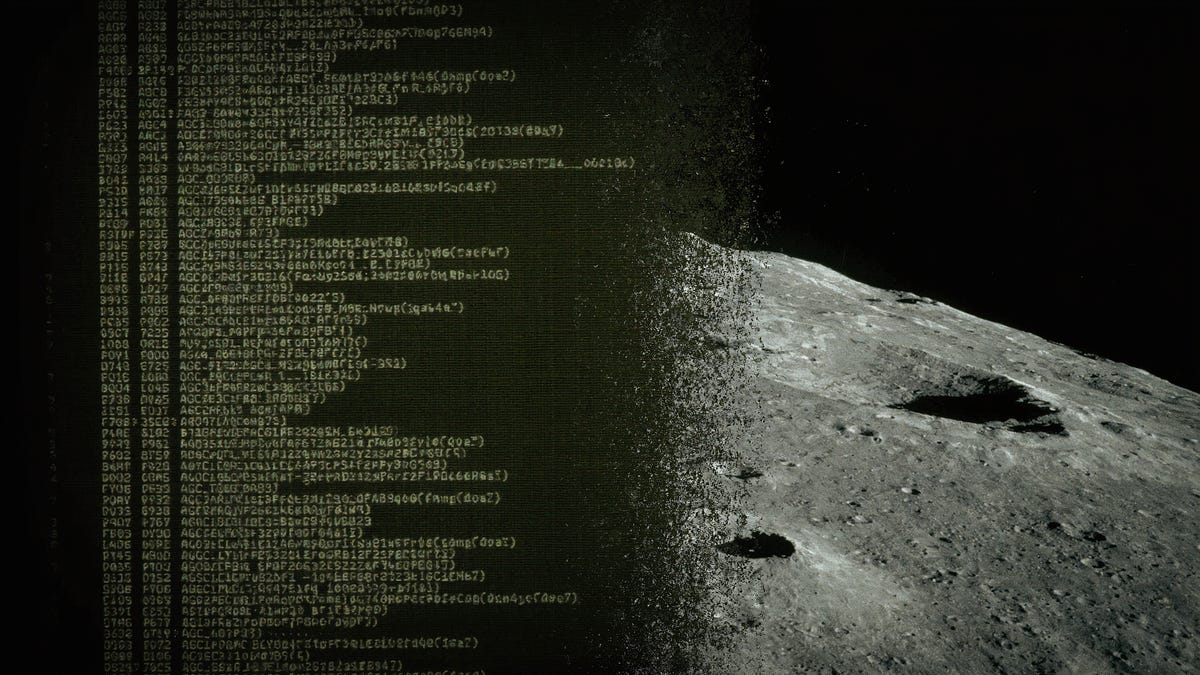
AI Reverse-Engineers Apollo 11 Code, Challenging Legacy System Limits
AI successfully reverse-engineered 1960s Apollo 11 assembly code, defying legacy system limitations.
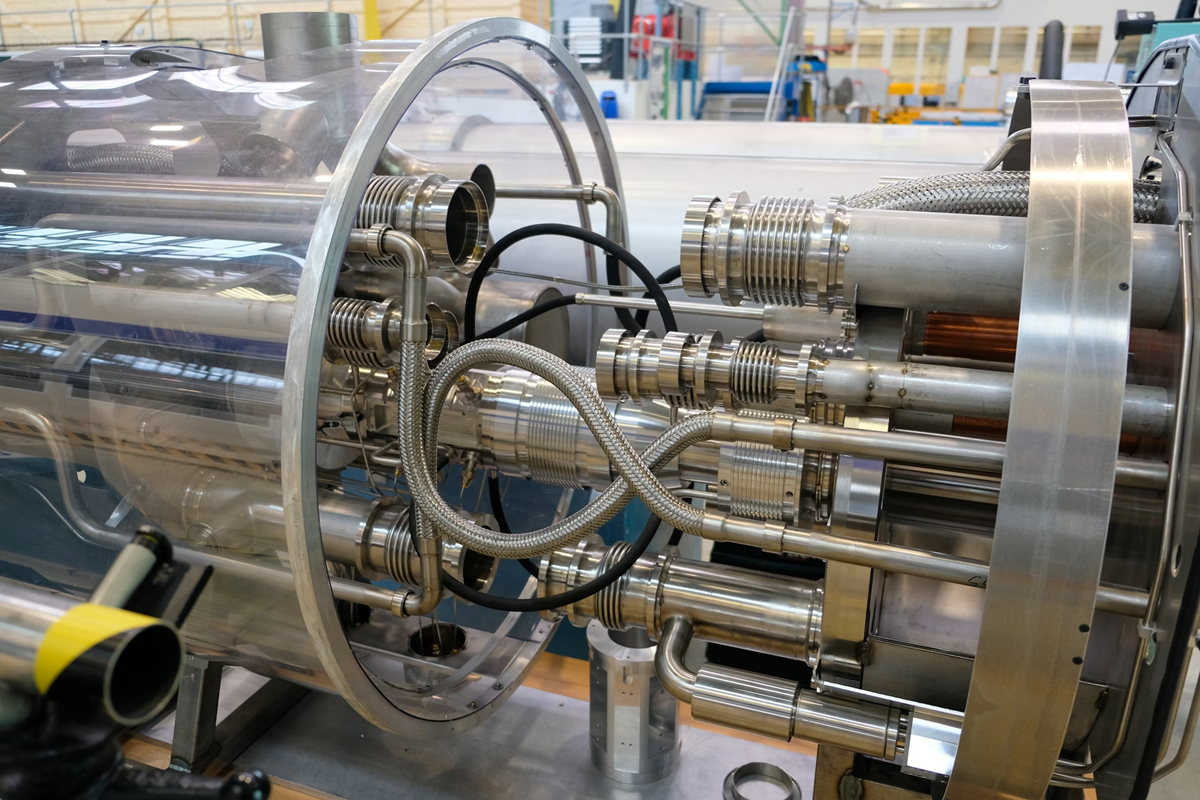
CERN Embeds Tiny AI Models in Silicon for LHC's Real-Time Data Filtering
CERN integrates custom AI into silicon for real-time LHC data filtering.

AI Excels in Code, Fails in Creative Writing: A Developer's Dilemma
AI excels at coding tasks but struggles with nuanced human writing.