AI Facial Recognition Error Leads to Wrongful Arrest of Tennessee Grandmother
Sonic Intelligence
A Tennessee grandmother was wrongly jailed for six months due to an AI facial recognition error linking her to bank fraud.
Explain Like I'm Five
"Imagine a computer game that guesses who you are, but it makes a mistake and gets someone put in jail even though they did nothing wrong!"
Deep Intelligence Analysis
The lack of due diligence by Fargo police, who failed to contact Lipps before her arrest, further exacerbates the situation. The reliance on facial recognition as the primary, and seemingly only, evidence against Lipps demonstrates a concerning over-reliance on AI technology without adequate human oversight. The subsequent discovery of bank records proving Lipps's alibi underscores the importance of thorough investigation and validation of AI-generated leads.
This case serves as a stark reminder of the need for greater scrutiny and regulation of AI systems used in law enforcement. Safeguards must be implemented to prevent wrongful arrests and ensure accountability for errors. The development of more robust validation processes, coupled with increased awareness of AI's limitations, is crucial to mitigating the risks associated with these technologies. Furthermore, victims of AI errors must have access to redress and compensation for the harm they have suffered.
Transparency Disclosure: This analysis was generated by an AI model. The model has been trained on a massive dataset of text and code, and while efforts have been made to ensure accuracy and objectivity, the analysis should not be considered definitive or a substitute for human judgment. The AI model is subject to biases present in the training data, and its analysis may not reflect all perspectives or considerations.
Impact Assessment
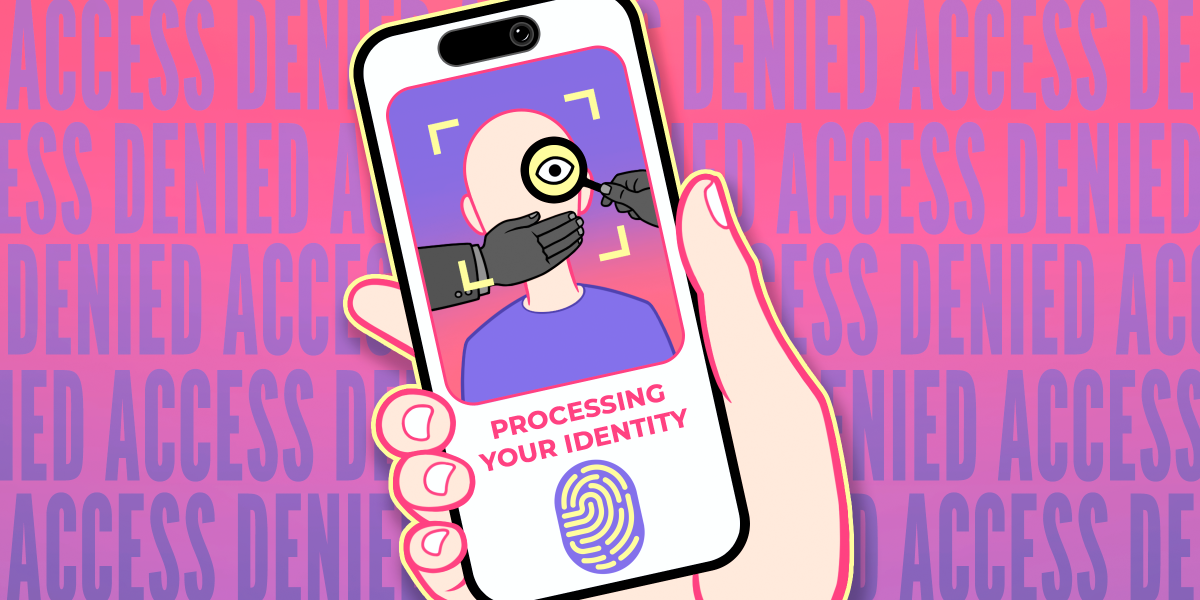
This case highlights the potential for AI facial recognition errors to lead to severe consequences, including wrongful arrest and imprisonment. It raises serious questions about the reliability and ethical implications of using AI in law enforcement.
Key Details
- Angela Lipps, 50, was arrested and jailed for nearly six months due to a false match by AI facial recognition software.
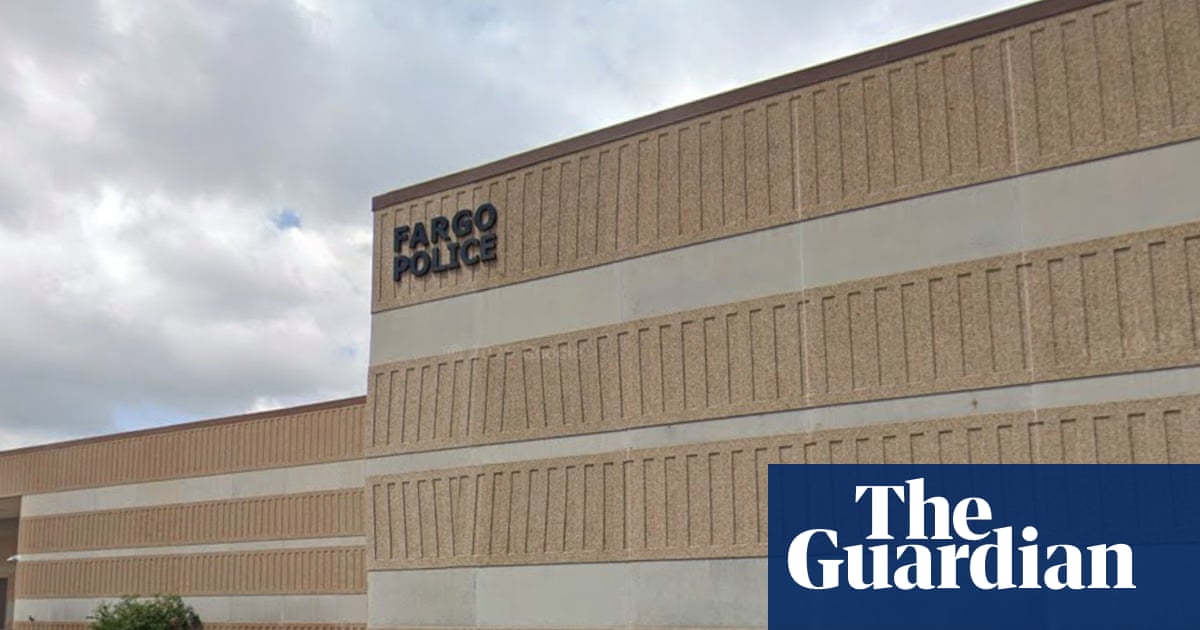
- Fargo police identified Lipps as a suspect in a North Dakota bank fraud case based on facial recognition analysis of surveillance video.
- Bank records later proved Lipps was over 1,200 miles away in Tennessee when the fraud occurred.
Optimistic Outlook
Increased scrutiny and awareness of AI's limitations in law enforcement could lead to more cautious and responsible deployment. This incident may spur the development of more robust safeguards and validation processes for AI-based identification systems.
Pessimistic Outlook
Over-reliance on flawed AI systems could lead to further miscarriages of justice and erode public trust in law enforcement. The lack of accountability and redress for victims of AI errors remains a significant concern.
Get the next signal in your inbox.
One concise weekly briefing with direct source links, fast analysis, and no inbox clutter.
More reporting around this signal.
Related coverage selected to keep the thread going without dropping you into another card wall.