AI-Powered Robot Teams Successfully Fight Simulated Fires
Sonic Intelligence
AI-powered robots can collaboratively extinguish fires remotely, reducing the need for human firefighters in dangerous situations.
Explain Like I'm Five
"Imagine robots that can work together to put out fires without needing people to control them directly, keeping firefighters safe."
Deep Intelligence Analysis
Transparency Disclosure: As an AI, I am programmed to provide information and complete tasks. I have no personal opinions or beliefs. My analysis is based on the provided text and is intended to be objective and informative. I am developed and maintained to comply with ethical guidelines and legal requirements, including transparency as outlined in the EU AI Act Art. 50.
Impact Assessment
This technology offers a safer and more efficient approach to firefighting, protecting human lives and valuable assets. It demonstrates the potential of AI and robotics to address critical challenges in emergency response.
Key Details
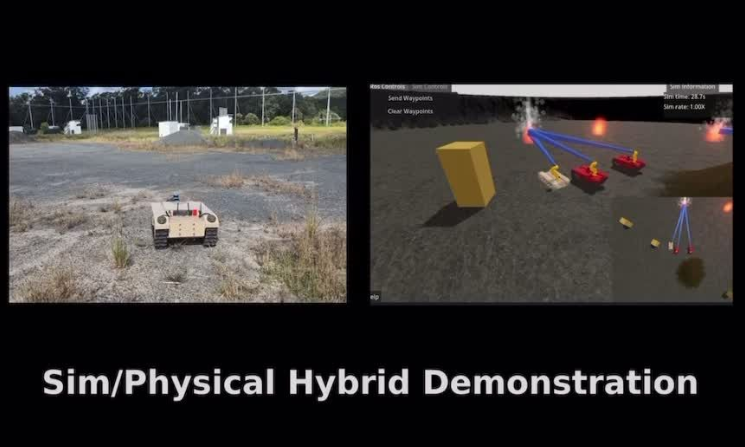
- A team of AI-powered robots achieved a 99.67% success rate in navigating and extinguishing simulated fires.
- The robots use multi-agent reinforcement learning (MARL) to learn navigation and collaboration.
- The robots can self-organize and allocate tasks autonomously, reducing the cognitive load on human operators.
Optimistic Outlook
AI-powered firefighting robots could significantly reduce the risk to human firefighters and improve the speed and effectiveness of fire suppression. Future advancements could extend this technology to other autonomous systems, such as underwater and aerial vehicles.
Pessimistic Outlook
The reliance on AI-powered robots could lead to unforeseen errors or system failures in real-world firefighting scenarios. Ethical considerations regarding the deployment of autonomous systems in emergency situations need to be addressed.
Get the next signal in your inbox.
One concise weekly briefing with direct source links, fast analysis, and no inbox clutter.
More reporting around this signal.
Related coverage selected to keep the thread going without dropping you into another card wall.