
Battery Manufacturer SES AI Pivots to AI-Driven Materials Discovery Amidst Western Industry Collapse
Sonic Intelligence
The Gist
SES AI pivots from battery manufacturing to AI materials discovery due to market pressures.
Explain Like I'm Five
"Imagine a company that used to make special batteries for electric cars. But the boss says it's too hard for Western companies to make batteries and stay in business. So now, they're using super-smart computer brains (AI) to invent *new* ingredients for batteries instead, hoping to sell those ideas to other companies."
Deep Intelligence Analysis
SES AI's new model focuses on developing and licensing its battery materials discovery platform or selling the novel materials it creates, moving away from high-volume production for markets like electric vehicles. This strategic reorientation is a direct response to market realities, where the economic landscape makes it "just not possible for a Western company to build a sustainable business" in traditional battery manufacturing. The company's history, rooted in MIT research and prior collaborations with major automakers like GM, Hyundai, and Honda, demonstrates its technical pedigree, yet even this was insufficient to overcome the systemic challenges of the manufacturing sector. The move to AI-driven R&D represents an attempt to find a defensible niche in the global energy supply chain.
The implications of such pivots are significant for the future geopolitics of energy and the structure of the global battery industry. If successful, this model could pave the way for other Western companies to specialize in high-value R&D and IP, rather than attempting to compete on scale with Asian manufacturers. However, it also highlights a potential de-industrialization trend in Western battery production, concentrating manufacturing capabilities elsewhere. The long-term success of SES AI's AI-centric approach will depend on its ability to consistently generate breakthrough materials and the willingness of the broader industry to adopt externally developed IP, potentially reshaping the value chain from raw material discovery to final product integration.
Visual Intelligence
flowchart LR
    A[Battery Manufacturing] --> B[Market Pressure]
    B --> C[Western Companies Fail]
    C --> D[SES AI Pivot]
    D --> E[AI Materials Discovery]
    E --> F[License IP]
    E --> G[Sell Materials]
Auto-generated diagram · AI-interpreted flow
Impact Assessment
This strategic pivot by a decade-old battery company highlights the severe competitive pressures facing Western battery manufacturers and the emerging role of AI in industrial R&D. It signals a shift towards intellectual property and materials science as a viable path for survival in a challenging global market.
Read Full Story on MIT Technology ReviewKey Details
- ● SES AI, a Massachusetts-based company, is pivoting from large-scale battery manufacturing.
- ● CEO Qichao Hu states "almost every Western battery company has either died or is going to die."
- ● New focus is an AI-driven battery materials discovery platform.
- ● The company will license its platform or sell developed materials.
- ● SES AI originated from MIT research on high-temperature solid polymer lithium metal batteries.
- ● Previously developed technology with GM, Hyundai, and Honda by 2021.
Optimistic Outlook
By leveraging AI for materials discovery, SES AI could unlock novel battery chemistries and accelerate innovation, potentially licensing these breakthroughs to global manufacturers. This shift could establish a new business model for Western companies, focusing on high-value IP rather than capital-intensive production.
Pessimistic Outlook
The pivot is a high-risk move, abandoning a decade of manufacturing expertise for an unproven AI-driven licensing model. Success hinges on the AI platform's ability to consistently generate commercially viable materials, and the market's willingness to adopt external IP, which could be challenging in a highly competitive and vertically integrated industry.

The Signal, Not
the Noise|
Join AI leaders weekly.
Unsubscribe anytime. No spam, ever.
Generated Related Signals

AI Investment Justification Hinges on Software Cost Reduction
AI's massive investment requires significant software cost cuts to justify.
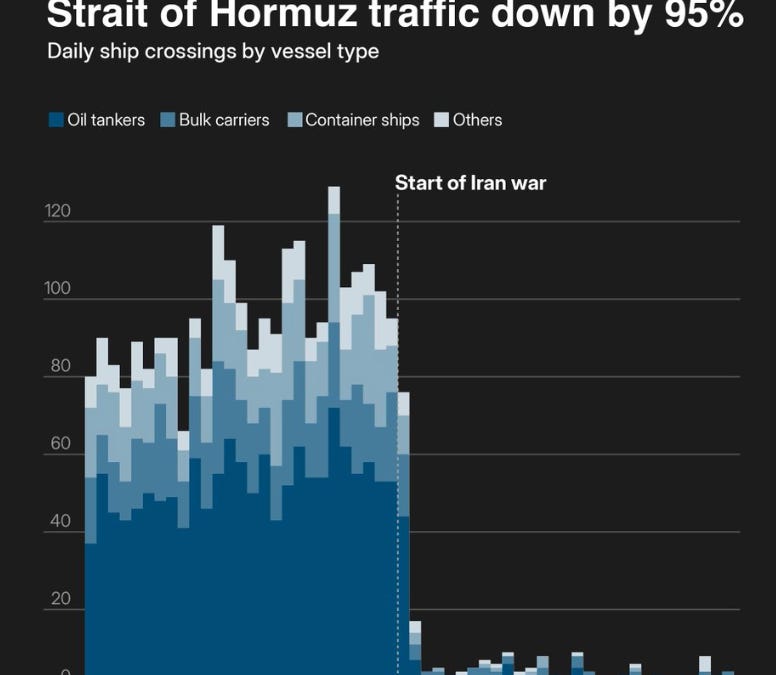
Geopolitical Chokehold: Hormuz Blockage Threatens Billions in AI Funding
Hormuz Strait blockage jeopardizes billions in Gulf sovereign wealth fund AI investments.

AWS Defends Dual AI Investments in OpenAI and Anthropic
Amazon's AWS navigates AI model provider conflicts through a long-standing partner-competition strategy.
Deconstructing LLM Agent Competence: Explicit Structure vs. LLM Revision
Research reveals explicit world models and symbolic reflection contribute more to agent competence than LLM revision.
Qualixar OS: The Universal Operating System for AI Agent Orchestration
Qualixar OS is a universal application-layer operating system designed for orchestrating diverse AI agent systems.

UK Legislation Quietly Shaped by AI, Raising Sovereignty Concerns
AI-generated text has quietly entered British legislation, sparking concerns over national sovereignty and control.