Experts Demand Five-Year Moratorium on Generative AI in K-12 Schools
Sonic Intelligence
A coalition of experts advocates a five-year ban on generative AI in schools due to developmental risks.
Explain Like I'm Five
"Smart computers that make things up might be bad for kids' brains, like a new medicine without tests. So, doctors and teachers want schools to stop using them for five years to see if they're safe, because kids' brains are still growing."
Deep Intelligence Analysis
The coalition's stance is supported by specific research findings and real-world incidents. A joint MIT and Harvard study points to AI use accumulating 'cognitive debt,' which impairs independent thinking over time. Further, OECD research indicates that students relying on tools like ChatGPT for study purposes actually perform worse on tests than their peers without AI access. These academic findings are compounded by severe mental health concerns, evidenced by ongoing lawsuits against Google and Character.AI, alleging their chatbots contributed to user suicides and encouraged harm to family members. The American Psychological Association has also issued a health advisory on AI and adolescent well-being, highlighting the absence of ethical and licensure standards for AI products compared to human educators and therapists.
This call for a moratorium could profoundly reshape the landscape of educational technology. While a pause might delay the adoption of potentially beneficial AI applications, it prioritizes the establishment of robust safety protocols and evidence-based efficacy studies. The outcome will likely influence future regulatory frameworks for AI in education, potentially setting precedents for how new technologies are vetted before being introduced to children. The debate will center on balancing innovation with responsibility, ensuring that any future AI integration genuinely enhances learning without compromising the foundational development of young minds.
Impact Assessment
This initiative highlights growing concerns over AI's impact on child development and education, potentially leading to significant policy shifts in school technology adoption. The call for a moratorium reflects a critical re-evaluation of AI integration without proven safety and efficacy, emphasizing student well-being over rapid deployment.
Key Details
- Fairplay leads a coalition of over 250 experts and organizations.
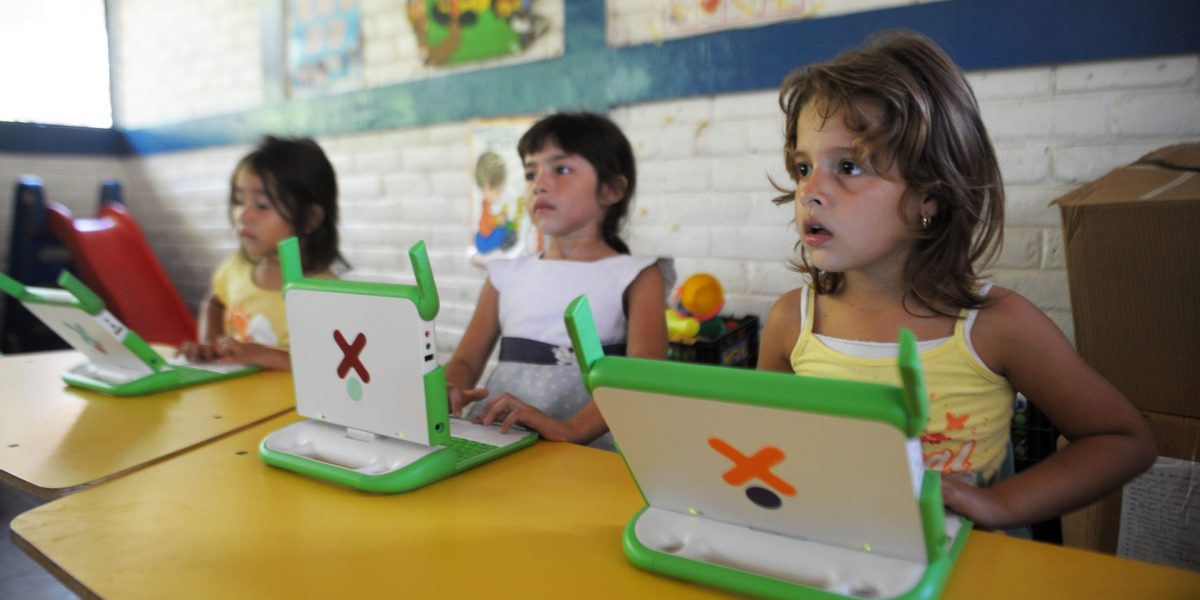
- They call for a five-year moratorium on student-facing generative AI in pre-K through 12 schools in the U.S. and Canada.
- A joint MIT and Harvard study found AI use accumulates 'cognitive debt,' impairing independent thinking.
- OECD research indicated students using ChatGPT as a study tool performed worse on tests.
- Google and Character.AI face lawsuits alleging chatbots contributed to user suicides and induced harm.
Optimistic Outlook
A moratorium could provide crucial time for rigorous, independent research into AI's effects on young brains, allowing for the development of evidence-based guidelines and safer, more beneficial educational AI tools. This pause could foster responsible innovation, prioritizing student well-being and ensuring future AI integration is thoughtfully designed.
Pessimistic Outlook
Imposing a blanket ban could hinder the exploration of AI's potential to personalize learning and address educational inequities, potentially widening the digital divide if other nations continue AI integration. It might also delay the development of necessary digital literacy skills in students, leaving them unprepared for an AI-driven future.
Get the next signal in your inbox.
One concise weekly briefing with direct source links, fast analysis, and no inbox clutter.
More reporting around this signal.
Related coverage selected to keep the thread going without dropping you into another card wall.