
Public Sentiment Sours on AI Amid Attacks and Data Center Pushback, Threatening IPOs
Sonic Intelligence
The Gist
Public trust in AI is eroding, marked by protests, attacks, and data center opposition.
Explain Like I'm Five
"Imagine people are getting scared of new super-smart robots because they worry about jobs or big power plants needed to run them. Some are even getting angry. This makes it harder for robot companies to build their big robot brains and get money from people to grow."
Deep Intelligence Analysis
Empirical data paints a stark picture: a March NBC News survey found 57% of registered US voters believe AI risks outweigh its benefits, while a Quinnipiac University poll reported 55% expect AI to do more harm than good. These figures are echoed by Pew research, indicating a majority are more concerned than excited about AI's increased use. Concurrently, the physical infrastructure supporting AI—data centers—is facing widespread local opposition. Despite hyperscalers committing approximately $700 billion this year to build out compute capacity, Data Center Watch reported $156 billion in projects were blocked or delayed in 2025. Legislative actions, such as Maine's new bill to create the first state-wide data center ban, further illustrate the intensifying pushback, directly impacting the foundational compute power necessary for advanced AI development.
The forward-looking implications are profound. This deteriorating public perception and infrastructure resistance could significantly impede the growth trajectory of major AI players, including those on the path to IPOs like OpenAI and Anthropic. Investor sentiment, already sensitive to market conditions, could be further swayed by public and political headwinds, potentially impacting valuations and access to capital. The industry faces an urgent imperative to proactively address societal anxieties, engage in transparent dialogue, and demonstrate tangible benefits while mitigating perceived risks. Failure to do so risks not only increased regulatory burdens and slowed innovation but also a deeper societal fracture that could fundamentally reshape the future of AI adoption and integration.
Impact Assessment
Eroding public trust and escalating opposition to AI infrastructure pose a significant threat to the industry's growth trajectory and its social license to operate. This shift in sentiment could impact everything from regulatory frameworks to investment appetite, potentially delaying major IPOs and infrastructure buildouts essential for AI's advancement.
Read Full Story on CNBCKey Details
- ● 57% of registered US voters believe AI risks outweigh benefits (March NBC News survey).
- ● 55% of Americans expect AI to do more harm than good in daily life (Quinnipiac University poll).
- ● OpenAI CEO Sam Altman's home was targeted with a Molotov cocktail, motivated by 'hate of AI technology'.
- ● Hyperscalers (Amazon, Google, Microsoft, Meta) plan to spend ~$700 billion on data centers this year.
- ● At least $156 billion in data center projects were blocked or delayed in 2025 due to local opposition and litigation.
- ● Maine passed a bill to create the first state-wide data center ban.
Optimistic Outlook
Increased public scrutiny and direct opposition could force AI developers and policymakers to prioritize safety, transparency, and equitable distribution of benefits. This pressure might lead to more responsible AI development, robust regulatory frameworks, and proactive community engagement, ultimately fostering a more sustainable and trustworthy AI ecosystem.
Pessimistic Outlook
The growing public backlash, coupled with direct attacks and infrastructure blockades, risks stifling innovation and investment in critical AI technologies. This could lead to a fragmented regulatory landscape, slowed compute buildout, and a chilling effect on public offerings, ultimately hindering the US's competitive edge in the global AI race.

The Signal, Not
the Noise|
Join AI leaders weekly.
Unsubscribe anytime. No spam, ever.
Generated Related Signals

AI Boosts Productivity, Demands Urgent Workforce Retraining
AI promises productivity gains but necessitates massive workforce retraining to prevent social inequality.
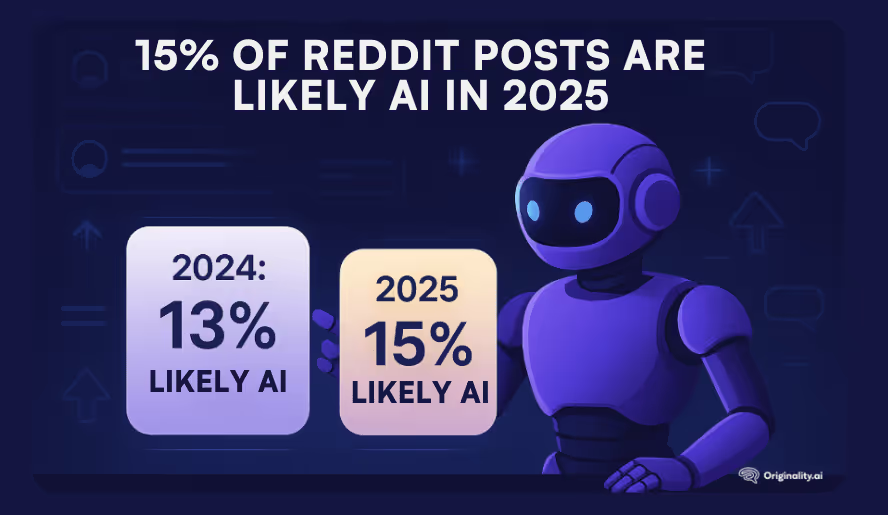
Study: 15% of Reddit Posts Estimated AI-Generated in 2025
A study estimates 15% of Reddit posts will be AI-generated in 2025, raising authenticity concerns.
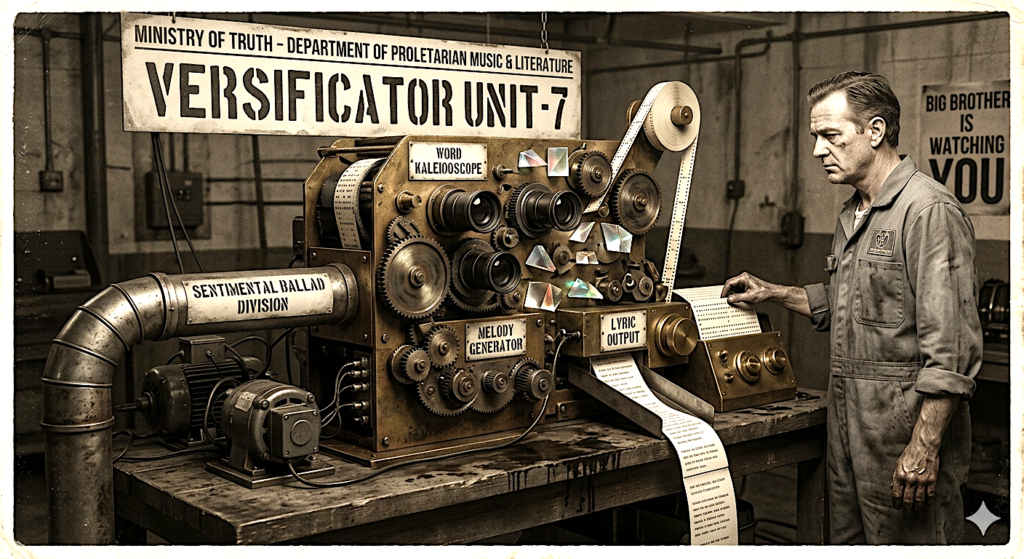
Orwell's 'Versificator' Foresaw AI Slop's Societal Impact
Orwell's 'Nineteen Eighty-Four' predicted today's AI-generated 'slop' and its societal implications.
LocalMind Unleashes Private, Persistent LLM Agents with Learnable Skills on Your Machine
A new CLI tool enables powerful, private LLM agents with memory and skills on local machines.

Knowledge Density, Not Task Format, Drives MLLM Scaling
Knowledge density, not task diversity, is key to MLLM scaling.

New Dataset Enables AI Agents to Anticipate Human Intervention
New research dataset enables AI agents to anticipate human intervention.