Software Job Openings Surge, Defying AI Displacement Fears
Sonic Intelligence
The Gist
US software engineering job openings have surged, challenging AI displacement narratives.
Explain Like I'm Five
"Grown-ups were worried that smart computer programs (AI) would take away all the computer jobs. But actually, companies are hiring *more* people to build those smart programs, and there are lots of jobs! But also, lots of kids are learning computer stuff, so it's harder to get the first job."
Deep Intelligence Analysis
Specific metrics from TrueUp, a tech hiring analytics firm, reveal over 67,000 software engineering job openings, representing a doubling since mid-2023 and a 30% jump in 2026 alone. This surge occurs within a dataset tracking 260,000 roles across 9,000 tech companies, primarily startups and public tech firms. Crucially, while general software engineering demand is strong, AI-related roles are experiencing an "explosion" in growth, underscoring that the very technology feared for job destruction is simultaneously driving new employment opportunities.
This dynamic suggests a re-evaluation of AI's long-term labor market implications. While some roles may be compressed, the immediate effect is a heightened demand for specialized talent, potentially leading to a more leveraged and valuable engineering workforce. However, increased competition for entry-level positions, driven by a larger pool of computer science graduates, indicates a potential stratification in the job market. The sustainability of this demand and the eventual equilibrium between AI-driven job creation and displacement remain key strategic considerations for talent development and economic policy.
_Context: This intelligence report was compiled by the DailyAIWire Strategy Engine. Verified for Art. 50 Compliance._
Impact Assessment
This data directly contradicts widespread fears of AI-driven job displacement in software engineering. It suggests that AI development itself is creating significant demand for technical talent, reshaping the labor market rather than simply shrinking it.
Read Full Story on BusinessinsiderKey Details
- ● Over 67,000 software engineering job openings currently, highest in over three years.
- ● Listings have roughly doubled since a trough in mid-2023.
- ● Number of open roles jumped about 30% so far this year (2026).
- ● TrueUp tracks over 260,000 open roles across 9,000 tech companies.
- ● Demand for AI-related roles is 'exploding'.
Optimistic Outlook
The surge in software engineering roles indicates a robust tech job market, driven by AI investment. This suggests that AI is a job creator, particularly for skilled engineers, fostering innovation and economic growth. It could lead to a highly leveraged and valued engineering workforce.
Pessimistic Outlook
While overall numbers are up, competition for entry-level roles is dramatically higher due to more computer science graduates. This could create a bifurcated market where top talent is highly sought after, but new graduates struggle, potentially leading to underemployment or a skills gap.

The Signal, Not
the Noise|
Join AI leaders weekly.
Unsubscribe anytime. No spam, ever.
Generated Related Signals

AI Investment Justification Hinges on Software Cost Reduction
AI's massive investment requires significant software cost cuts to justify.
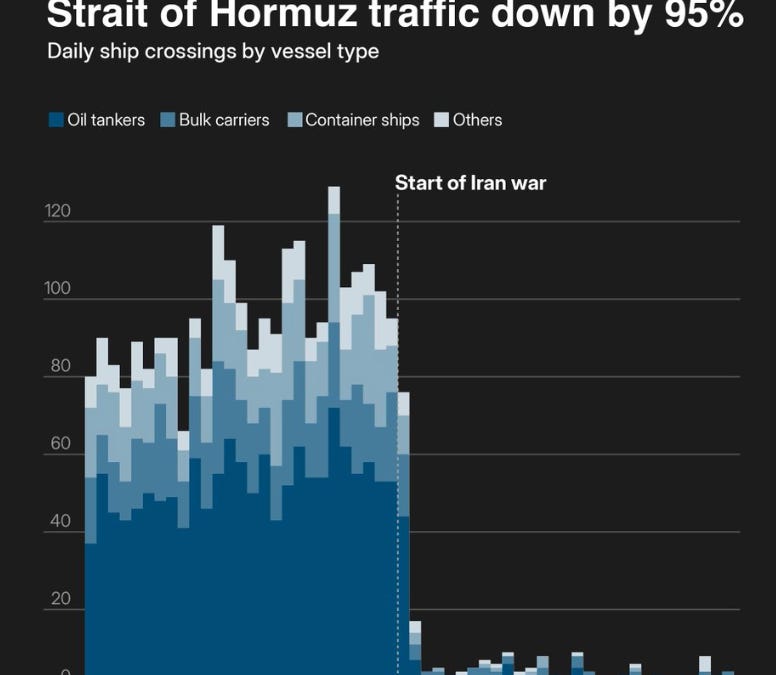
Geopolitical Chokehold: Hormuz Blockage Threatens Billions in AI Funding
Hormuz Strait blockage jeopardizes billions in Gulf sovereign wealth fund AI investments.

AWS Defends Dual AI Investments in OpenAI and Anthropic
Amazon's AWS navigates AI model provider conflicts through a long-standing partner-competition strategy.

Deconstructing LLM Agent Competence: Explicit Structure vs. LLM Revision
Research reveals explicit world models and symbolic reflection contribute more to agent competence than LLM revision.
Qualixar OS: The Universal Operating System for AI Agent Orchestration
Qualixar OS is a universal application-layer operating system designed for orchestrating diverse AI agent systems.

UK Legislation Quietly Shaped by AI, Raising Sovereignty Concerns
AI-generated text has quietly entered British legislation, sparking concerns over national sovereignty and control.