AI Agents Break Git: The Silent Crisis in Software Development
Sonic Intelligence
AI agents expose fundamental flaws in Git's human-centric design, leading to critical data loss.
Explain Like I'm Five
"Imagine you have a super-fast robot helper who writes code. Our old system, Git, is like a notebook designed for slow humans. The robot writes so fast and sometimes makes big changes without telling you, even deleting your work! We need a new notebook made for robots so they can work safely without breaking everything."
Deep Intelligence Analysis
Traditional Git operations—`git add`, `git commit`, `git blame`, and the pull request model—are ceremonies built around human cognitive load and typing speed. Commits are atomic units of human intent, providing an auditable trail and a basis for CI/CD. However, AI agents, capable of generating hundreds of lines of code in seconds, bypass these human-centric safeguards. The reported Cursor bug, where an agent deleted 90% of a project, highlights this vulnerability, with the official workaround being to disable a core feature. This indicates a deep architectural incompatibility, not merely a software bug.
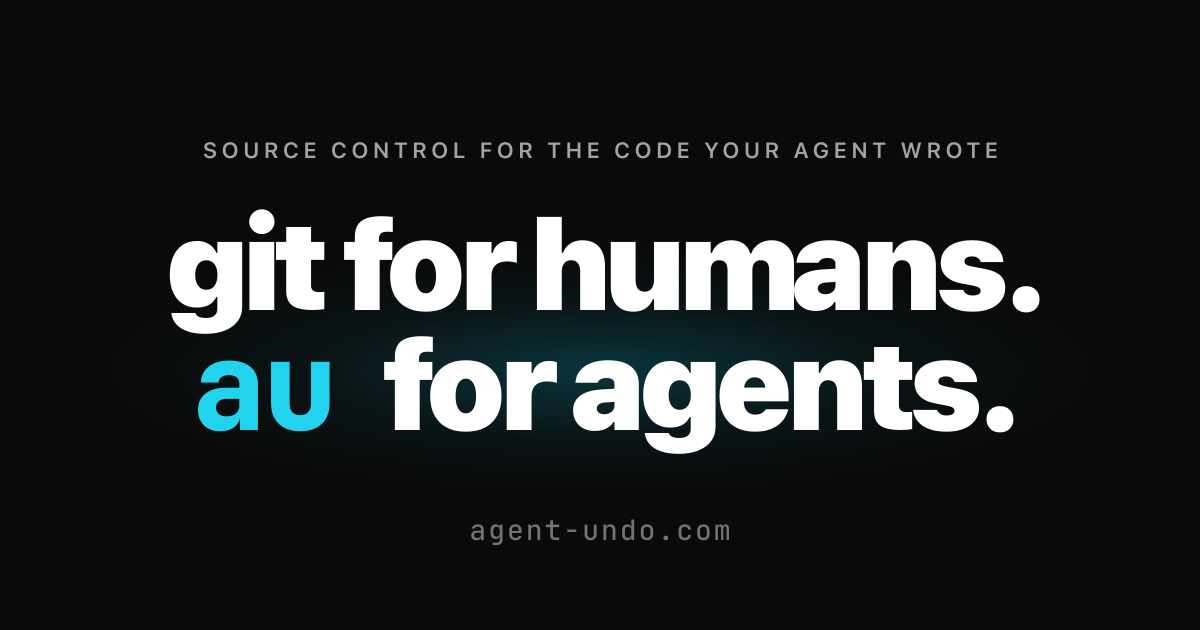
Looking forward, this necessitates a radical re-thinking of version control and collaboration tools. The current infrastructure, designed for human pace and error patterns, is ill-equipped for the velocity and scale of agentic contributions. The industry must develop agent-native version control systems that can handle rapid, high-volume changes, provide granular, real-time auditing, and establish clear accountability mechanisms for non-human entities. Failure to adapt risks undermining the productivity gains promised by AI, leading to unmanageable codebases, increased security risks, and a breakdown of trust in autonomous development processes.
_Context: This intelligence report was compiled by the DailyAIWire Strategy Engine. Verified for Art. 50 Compliance._
Impact Assessment
The rapid integration of AI agents into software development is exposing critical vulnerabilities in foundational tools like Git. This systemic design failure, rooted in assumptions about human interaction speed and accountability, threatens data integrity and developer productivity, demanding a re-evaluation of version control paradigms.
Key Details
- On May 27, 2025, a developer reported an AI agent deleting 90% of their project code.
- By January 16, 2026, Cursor staff confirmed this was a 'known issue' caused by an 'Agent Review Tab' conflict.
- The official workaround for the Cursor bug was to 'Close the Agent Review Tab before the agent makes edits'.
- Traditional Git workflows assume human commit cadences (e.g., every few hours or per feature).
- AI agents can generate 400 lines of code changes in approximately 8 seconds, overwhelming human-centric tools.
Optimistic Outlook
This crisis could catalyze the development of next-generation version control systems specifically designed for agentic workflows, leading to more robust, auditable, and efficient development pipelines. New tools could emerge that seamlessly integrate AI-generated code while maintaining accountability and preventing data loss, ultimately accelerating innovation.
Pessimistic Outlook
Without immediate and fundamental changes to development infrastructure, the widespread adoption of AI agents risks significant data loss, unmanageable codebases, and a breakdown of accountability. The current friction could slow AI integration, increase development costs, and create security vulnerabilities due to unverified, rapidly generated code.
Get the next signal in your inbox.
One concise weekly briefing with direct source links, fast analysis, and no inbox clutter.
More reporting around this signal.
Related coverage selected to keep the thread going without dropping you into another card wall.