
TikTok's AI Ad Disclosure Policy Fails: Major Brands Undermine Transparency
Sonic Intelligence
The Gist
TikTok's AI ad disclosure policy is failing, with major brands like Samsung not labeling AI-generated content.
Explain Like I'm Five
"Imagine a toy company shows you a commercial where a doll can fly, but they used special computer tricks to make it look like that. A rule says they have to tell you it's a trick. But this story says some companies are showing these trick commercials on TikTok without telling anyone, even though TikTok has a rule. It's like they're not playing fair, and it's hard to know what's real!"
Deep Intelligence Analysis
TikTok's policy clearly outlines that AI-generated or substantially altered content must be disclosed through various means, including platform labels, disclaimers, or watermarks. However, the article details instances where Samsung's promotional campaigns for its Galaxy S26 Ultra, explicitly labeled as AI-generated on YouTube, appeared on TikTok without any such indication. This suggests either a failure by advertisers to comply, a failure by TikTok to enforce its own rules, or a combination of both. The lack of an on-record statement from TikTok regarding these specific violations further compounds the transparency issue, leaving users and observers in the dark about the breakdown in the process. The involvement of both entities in the CAI underscores a hypocrisy where public commitment to transparency does not translate into practical application.
The long-term implications of such policy failures are severe. A pervasive lack of AI disclosure in advertising erodes consumer trust, making it increasingly difficult for individuals to distinguish between authentic and synthetically generated media. This not only has ethical ramifications for advertising but also contributes to a broader environment where misinformation and deepfakes can proliferate unchecked. For the AI industry, it undermines efforts to build responsible AI systems and establish robust governance frameworks. Moving forward, platforms must implement stricter enforcement mechanisms, potentially leveraging AI detection tools themselves, and advertisers must adhere to ethical standards, even if not rigorously policed. Without genuine commitment to transparency from all stakeholders, the promise of content authenticity will remain an unfulfilled ideal.
{"metadata": {"ai_detected": true, "model": "Gemini 2.5 Flash", "label": "EU AI Act Art. 50 Compliant"}}
_Context: This intelligence report was compiled by the DailyAIWire Strategy Engine. Verified for Art. 50 Compliance._
Visual Intelligence
flowchart LR
    A[Advertiser Creates AI Ad] --> B{Ad Submitted to TikTok};
    B -- Yes --> C{TikTok Policy Check};
    C -- Disclosure Missing --> D[Ad Published Unlabeled];
    C -- Disclosure Present --> E[Ad Published Labeled];
    D -- User Sees Unlabeled Ad --> F[Trust Erodes];
    E -- User Sees Labeled Ad --> G[Transparency Maintained];
    D --> H[Policy Failure];
    H --> F;
Auto-generated diagram · AI-interpreted flow
Impact Assessment
The failure of platforms like TikTok to enforce AI content disclosure policies, even with major advertisers, undermines trust and transparency. This creates a deceptive environment for users and hinders broader industry efforts towards content authenticity standards like C2PA.
Read Full Story on The VergeKey Details
- ● TikTok's policy requires advertisers to disclose content 'significantly' edited or generated by AI.
- ● Disclosure methods include TikTok's own AI label, or advertiser-added disclaimers, captions, watermarks, or stickers.
- ● Samsung published AI-generated videos on YouTube with disclosures but lacked similar labels on TikTok ads for its Galaxy S26 Ultra.
- ● Both Samsung and TikTok are members of the Content Authenticity Initiative (CAI), promoting C2PA adoption.
- ● TikTok declined to provide an on-record statement regarding Samsung's unlabelled AI ads.
Optimistic Outlook
Increased scrutiny and public awareness of these policy failures could pressure platforms and advertisers to enforce stricter AI disclosure. This could accelerate the adoption of robust, verifiable content authenticity standards, ultimately fostering a more transparent digital advertising ecosystem.
Pessimistic Outlook
If major platforms and brands continue to circumvent AI disclosure policies, it sets a dangerous precedent, normalizing deceptive AI-generated content. This erosion of trust could lead to widespread misinformation, making it increasingly difficult for users to discern authentic from synthetic media.

The Signal, Not
the Noise|
Join AI leaders weekly.
Unsubscribe anytime. No spam, ever.
Generated Related Signals
Wikipedia Bans AI-Generated Content Amidst Hallucination Concerns
Wikipedia bans AI-generated content, citing accuracy and integrity concerns.

Geopolitics Threatens Global AI Research Collaboration
Geopolitical tensions are increasingly impacting global AI research collaboration.

US Senators Demand Mandatory Energy Disclosures for AI Data Centers
US senators push for mandatory energy reporting for AI data centers.

AI System Authors Peer-Reviewed Scientific Paper
An AI system independently authored a scientific paper that passed peer review.
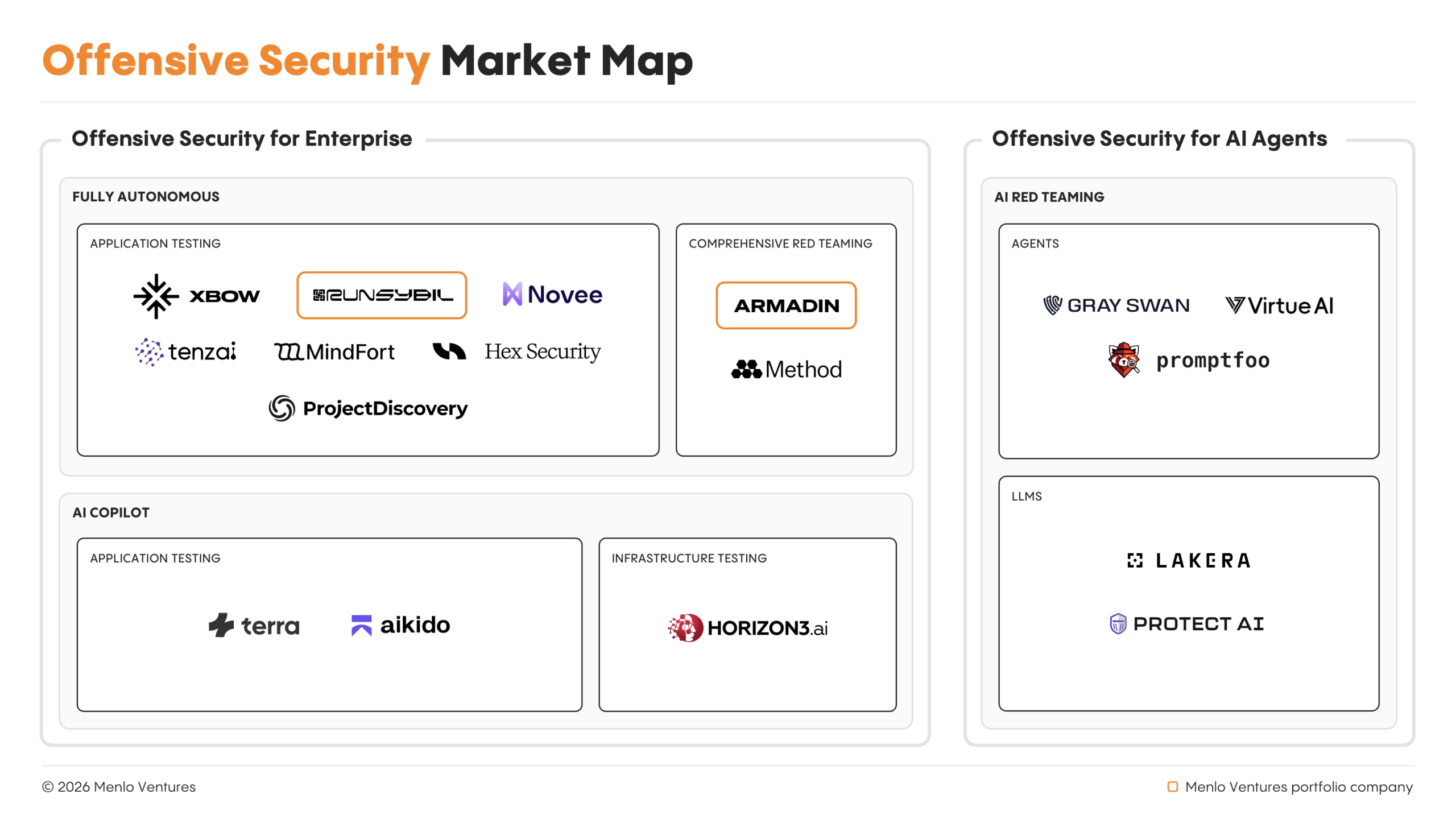
Autonomous AI Agents Spearhead Offensive Cyber Operations, Outpacing Human Pentesters
Autonomous AI agents now lead offensive cyber operations, outpacing human capabilities.

xAI Co-Founders Depart Amidst Company Restructuring
All xAI co-founders have reportedly departed as Musk plans a rebuild.