
Wikipedia Bans AI-Generated Content Amidst Hallucination Concerns
Sonic Intelligence
The Gist
Wikipedia bans AI-generated content, citing accuracy and integrity concerns.
Explain Like I'm Five
"Wikipedia, the big online book of everything, says no robots can write its pages. Humans have to write them because robots sometimes make up stories, even if they're good at helping with small fixes or translating."
Deep Intelligence Analysis
The policy, which emerged from a community vote among its volunteer editors, explicitly permits AI for limited tasks such as translation and minor copy edits, acknowledging AI's utility while strictly prohibiting its role in content creation or substantive rewriting. This nuanced approach highlights the tension between leveraging AI for efficiency and maintaining the rigorous standards expected of a trusted encyclopedia. The context of ChatGPT reportedly surpassing Wikipedia in monthly visits last year underscores the competitive pressure from AI-driven information sources, yet Wikipedia has chosen to double down on human-led curation rather than compromise its core values.
This ban will likely reverberate across the digital landscape, influencing content platforms, academic institutions, and media organizations as they formulate their own AI usage policies. It serves as a stark reminder that while AI offers immense generative power, its output requires critical human review, especially in domains where factual accuracy is paramount. The long-term implications suggest a potential bifurcation of information sources: those prioritizing speed and AI-driven scale, and those, like Wikipedia, committed to human-verified accuracy, thereby shaping public perception of AI's trustworthiness in content generation.
_Context: This intelligence report was compiled by the DailyAIWire Strategy Engine. Verified for Art. 50 Compliance._
Impact Assessment
This policy shift by a globally influential knowledge repository underscores escalating concerns regarding AI hallucination and content integrity. It sets a significant precedent for other platforms grappling with the balance between AI efficiency and the imperative for factual accuracy, potentially influencing future content moderation strategies across the digital landscape.
Read Full Story on TheguardianKey Details
- ● Wikipedia has implemented a ban on AI-generated or rewritten content for its online encyclopedia.
- ● The English language version, comprising over 7.1 million articles, is subject to this new policy.
- ● The decision was supported by a community vote among volunteer editors.
- ● Exceptions allow AI for translations and minor copy edits, provided no new content is introduced.
- ● The policy states LLMs 'often violate' core principles and can 'change the meaning of the text.'
Optimistic Outlook
Wikipedia's decisive action to ban AI-generated content reinforces its commitment to human-curated accuracy, potentially solidifying its reputation as a reliable source in an increasingly AI-saturated information environment. This stance could encourage more responsible AI development, prioritizing factual grounding and verifiability over sheer generative output.
Pessimistic Outlook
While safeguarding content integrity, the ban might inadvertently slow Wikipedia's ability to scale and update its vast knowledge base, potentially ceding ground to AI-driven information sources that, despite their flaws, offer rapid content generation. This could create a dichotomy where speed of information delivery outweighs accuracy for some users, impacting Wikipedia's long-term relevance.

The Signal, Not
the Noise|
Join AI leaders weekly.
Unsubscribe anytime. No spam, ever.
Generated Related Signals

TikTok's AI Ad Disclosure Policy Fails: Major Brands Undermine Transparency
TikTok's AI ad disclosure policy is failing, with major brands like Samsung not labeling AI-generated content.

Geopolitics Threatens Global AI Research Collaboration
Geopolitical tensions are increasingly impacting global AI research collaboration.

US Senators Demand Mandatory Energy Disclosures for AI Data Centers
US senators push for mandatory energy reporting for AI data centers.

AI System Authors Peer-Reviewed Scientific Paper
An AI system independently authored a scientific paper that passed peer review.
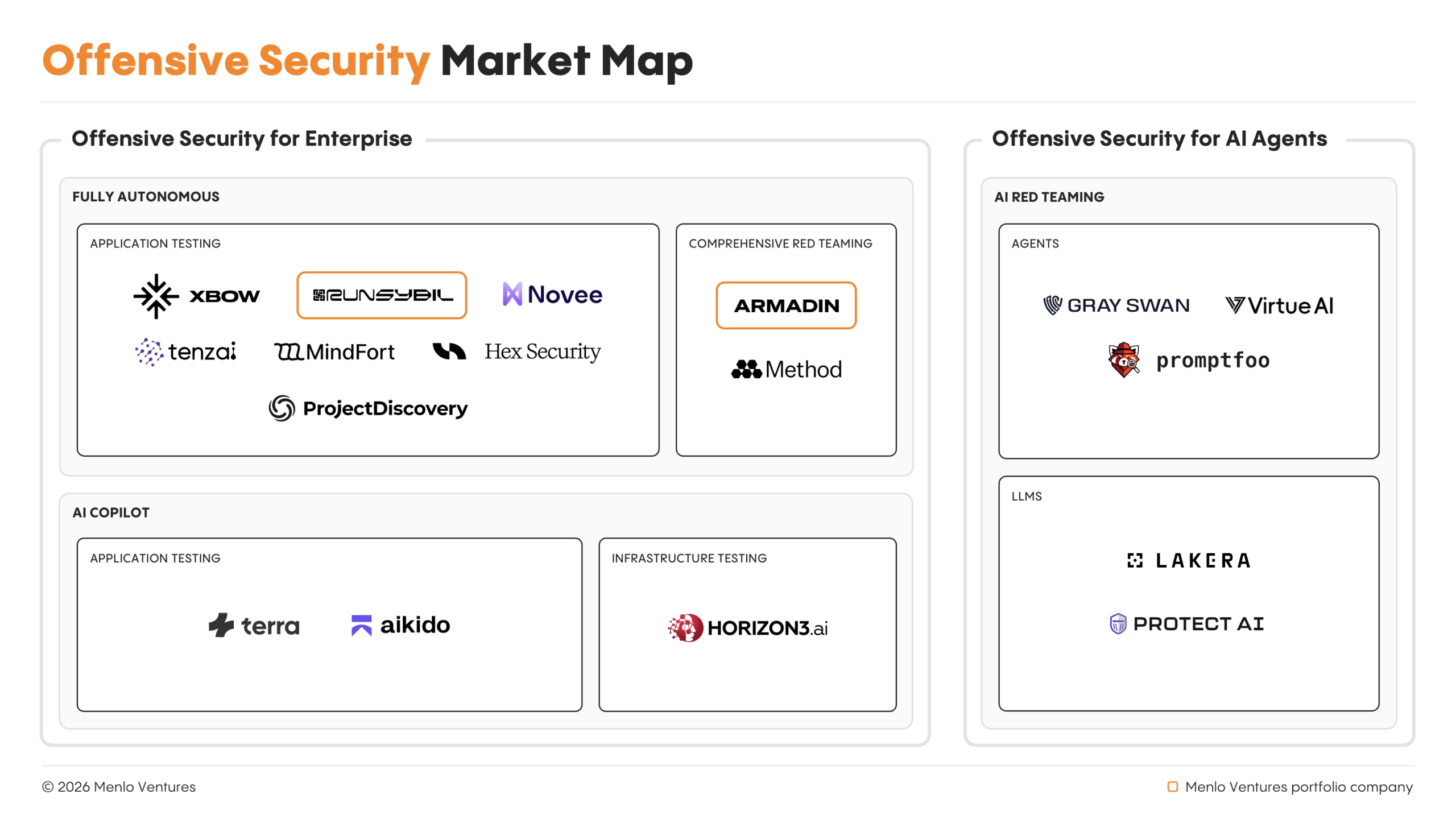
Autonomous AI Agents Spearhead Offensive Cyber Operations, Outpacing Human Pentesters
Autonomous AI agents now lead offensive cyber operations, outpacing human capabilities.

xAI Co-Founders Depart Amidst Company Restructuring
All xAI co-founders have reportedly departed as Musk plans a rebuild.