Frontier AI Labs Face Profitability Challenge Amidst Scaling Costs and Open-Source Competition
Sonic Intelligence
Frontier AI labs struggle with profitability due to high training costs and open-source competition.
Explain Like I'm Five
"Imagine you build the fastest, most expensive race car. But then, other people start building really good, much cheaper race cars that are almost as fast. How do you make enough money to keep building even faster, more expensive cars? This article asks how the companies building the very best, biggest AI brains can make enough money when cheaper, almost-as-good AI brains are becoming available for free."
Deep Intelligence Analysis
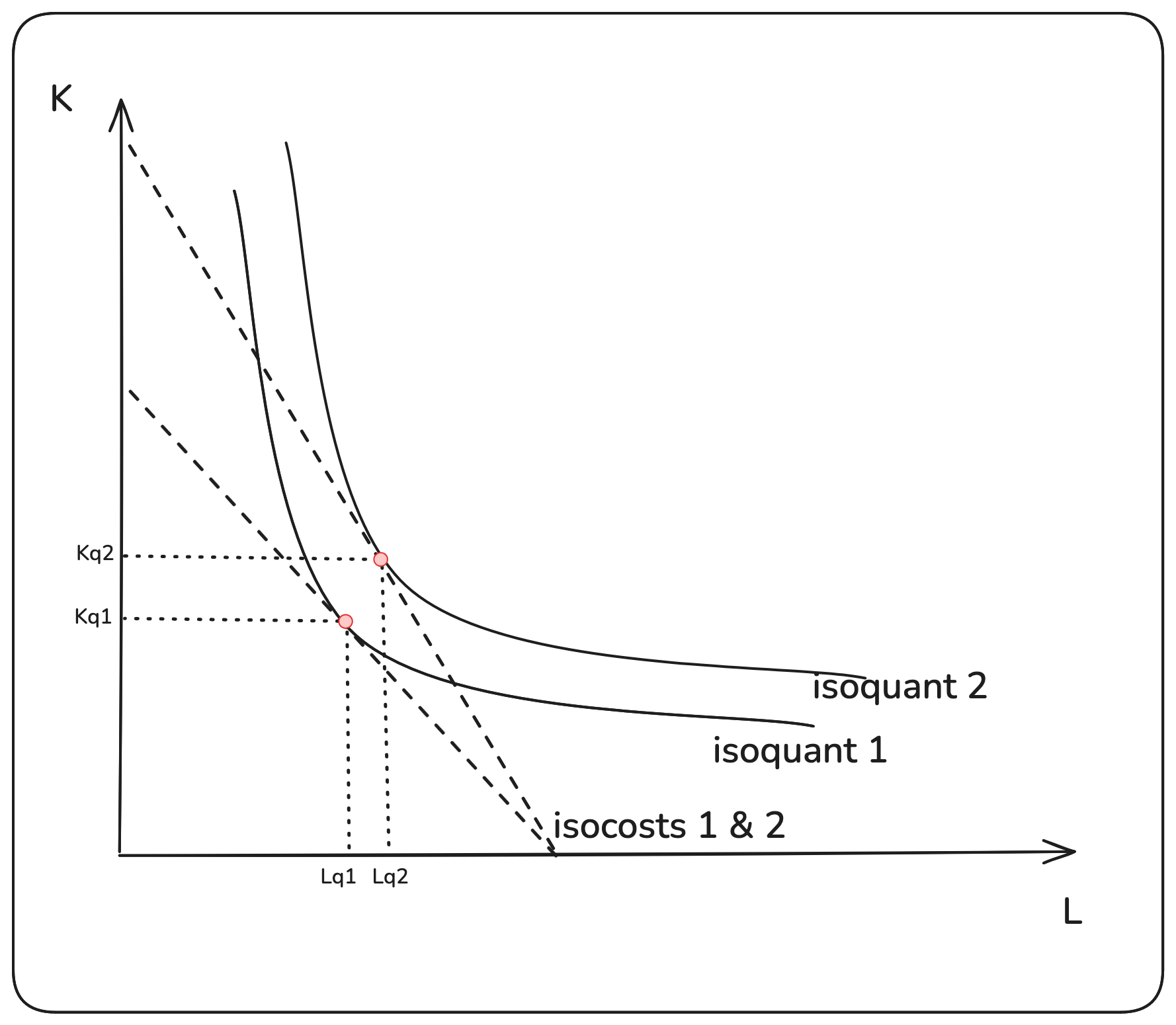
Two primary markets are identified: consumer and enterprise. The consumer market, currently valued at $10-15 billion annually for chatbots, could expand significantly to $150 billion if personal agents achieve 60-70% penetration by becoming sufficiently reliable and integrated into daily life. The key to this expansion is "stickiness"—personal agents accumulating context, connecting services, and building trust, thereby creating high switching costs. Frontier labs are uniquely positioned to co-design the model and product to close this capability and product gap. In contrast, the enterprise market, with a theoretical Total Addressable Market approaching $20 trillion (total wages of computer-based work), offers immense potential but is harder to monetize. Success here depends on identifying "highly levered" computer work where even a small AI capability edge yields disproportionately high value, such as drug discovery, chip design, or algorithmic optimization.
The strategic implications for frontier AI labs are clear: pure model capability, while necessary, is insufficient for long-term profitability. They must evolve into product-centric entities, either by developing compelling, sticky consumer agents or by deeply embedding their models into high-value enterprise solutions that solve critical business problems. The race is not just to build the most advanced model but to build the most valuable application on top of it, creating proprietary data moats or unique user experiences that open-source models cannot easily replicate. Without this shift, the continuous capital expenditure required for frontier research risks becoming an unsustainable treadmill, leaving labs vulnerable to the commoditization pressures exerted by the increasingly capable open-source ecosystem.
Visual Intelligence
flowchart LR
    A["Frontier AI Labs"] --> B{"High Training Costs?"}
    B -- "Yes" --> C["Need Revenue"]
    C --> D{"Consumer Market?"}
    D -- "Personal Agents" --> E["High Stickiness"]
    D -- "Chatbots" --> F["Limited Growth"]
    C --> G{"Enterprise Market?"}
    G -- "High-Leverage Apps" --> H["High Value"]
    G -- "Commoditized Inference" --> I["Low Margins"]
    E & H --> J["Sustainable Profit"]
    F & I --> K["Profitability Challenge"]
Auto-generated diagram · AI-interpreted flow
Impact Assessment
This analysis directly addresses the core business model viability of frontier AI labs, questioning how they can sustain profitability given immense training costs, rapid open-source advancements, and the potential for commoditization. It highlights the critical need for differentiation beyond raw model capability.
Key Details
- ● The chatbot market is estimated at $10–15 billion annually, with 1 billion users and a 5% conversion rate to $20/month subscriptions.
- ● Personal agents could expand the consumer market to $150 billion annually with 60–70% penetration.
- ● The enterprise market's Total Addressable Market (TAM) could approach $20 trillion annually (total wages of computer work).
- ● Open-source models are rapidly catching up to frontier labs due to distillation and low switching costs.
- ● Frontier labs are well-positioned to close the capability and product gap for personal agents.
Optimistic Outlook
If frontier labs can achieve a breakthrough in personal agents, creating sticky, high-value consumer products, they could capture a significant, recurring revenue stream. In the enterprise, focusing on high-leverage applications where a small capability edge yields enormous value could justify premium pricing.
Pessimistic Outlook
Without strong product-market fit for personal agents or clear differentiation in high-value enterprise applications, frontier labs risk being squeezed by open-source models offering 'good enough' performance at significantly lower costs. The continuous need for larger, more expensive models to maintain a lead creates a treadmill of investment without guaranteed returns.
Get the next signal in your inbox.
One concise weekly briefing with direct source links, fast analysis, and no inbox clutter.
More reporting around this signal.
Related coverage selected to keep the thread going without dropping you into another card wall.